Optimizing Outdoor Lighting: Ideal Spacing Between Street Lamps and Bollards

Outdoor lighting, whether through street lamps or bollards, plays a crucial role in the safety, visibility, and ambiance of our outdoor spaces. Whether for a garden, park, pathway, or public space, knowing the ideal spacing between these light sources is essential for effective and harmonious lighting. In this post, we guide you through the basic principles to determine this optimal spacing, including a simple method of calculation.

Basic Principles of Outdoor Lighting

Safety and Visual Comfort

The primary goal of outdoor lighting is to ensure safety while creating a welcoming atmosphere. Good lighting helps prevent accidents, facilitates movement, and enhances the aesthetics of the space.

Uniformity and Light Intensity

To avoid overly pronounced shadow areas and ensure adequate brightness, it is crucial to properly space street lamps and bollards. The light intensity and height of the luminaires directly influence this spacing.

Calculating the Ideal Spacing

Measuring Light Intensity

Light intensity, measured in lumens, determines the amount of light emitted by a source. The higher this value, the more intense the light and, potentially, the greater the spacing between light points can be.

Height of Street Lamps

The height at which the luminaire is installed affects the dispersion of light. Taller street lamps allow for wider spacing between them, as the light covers a larger area.

Basic Formula for Spacing

A simple method to calculate the spacing is to use the height of the street lamp. Generally, for uniform lighting, the optimal spacing between two street lamps or bollards is equivalent to 2.5 to 3 times the height of the luminaire above the ground.

For Bollards

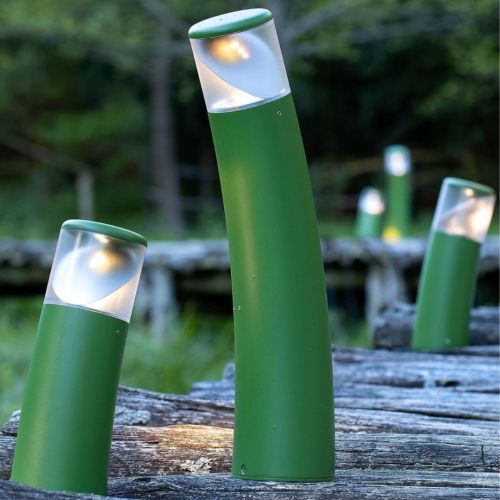
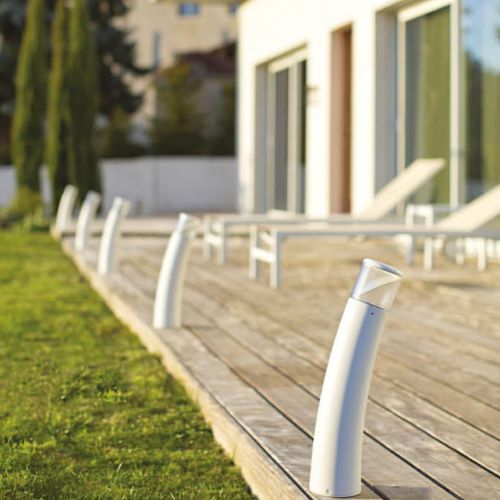
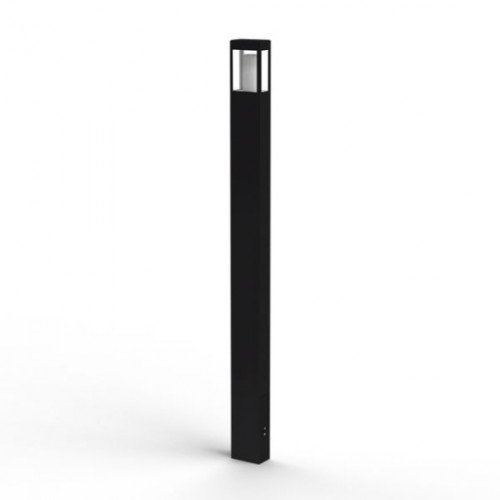
Generally, bollards, often used to mark pathways or illuminate gardens, require a spacing of about 2 to 3 meters. This spacing ensures sufficient light coverage to guide movement without creating excessively dark or overly lit areas, thus preserving the atmosphere and safety of outdoor spaces.

For Street Lamps

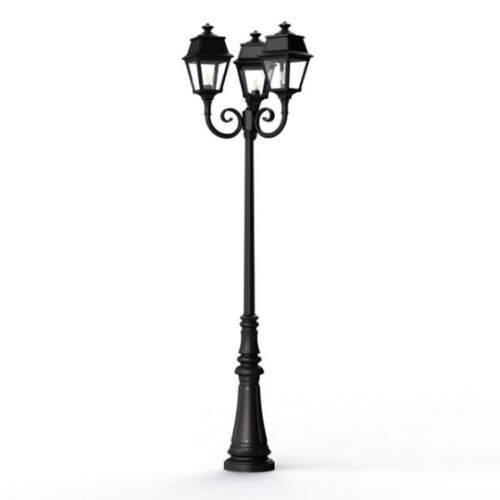
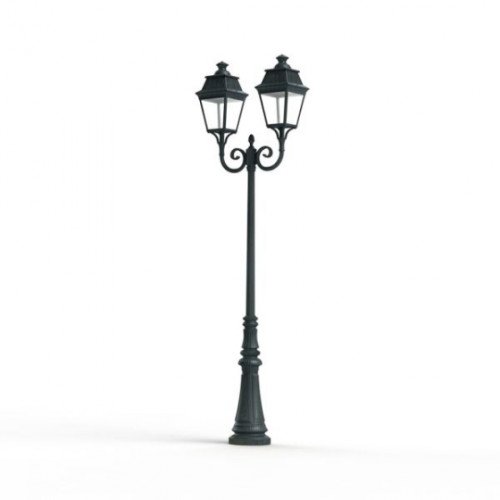
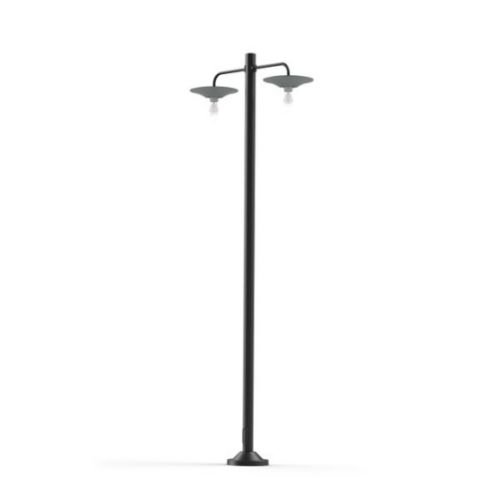
For street lamps, used to light streets, parking lots, or large outdoor areas, the spacing varies depending on their height and light intensity. For street lamps with a standard height of 3 to 4 meters, the typical spacing can vary from 8 to 12 meters. This distance allows for uniform and effective lighting, facilitating visibility and enhancing the safety of public and private areas.

Additional Considerations

LED Luminaires

The advent of LED has transformed outdoor lighting. LEDs offer more directed light and better control of light dispersion, which can affect the ideal spacing.

Local Standards and Regulations

It is important to consult local standards and regulations regarding outdoor lighting, as they can vary significantly and impose specific requirements.

Conclusion: Well-Planned Outdoor Lighting

The spacing between street lamps and bollards should not be left to chance. By following basic principles and performing simple calculations, it is possible to create a safe, welcoming, and aesthetically pleasing outdoor space. Do not forget to consider the specifics of your luminaires and adhere to local guidelines for optimal results.

Produits associés