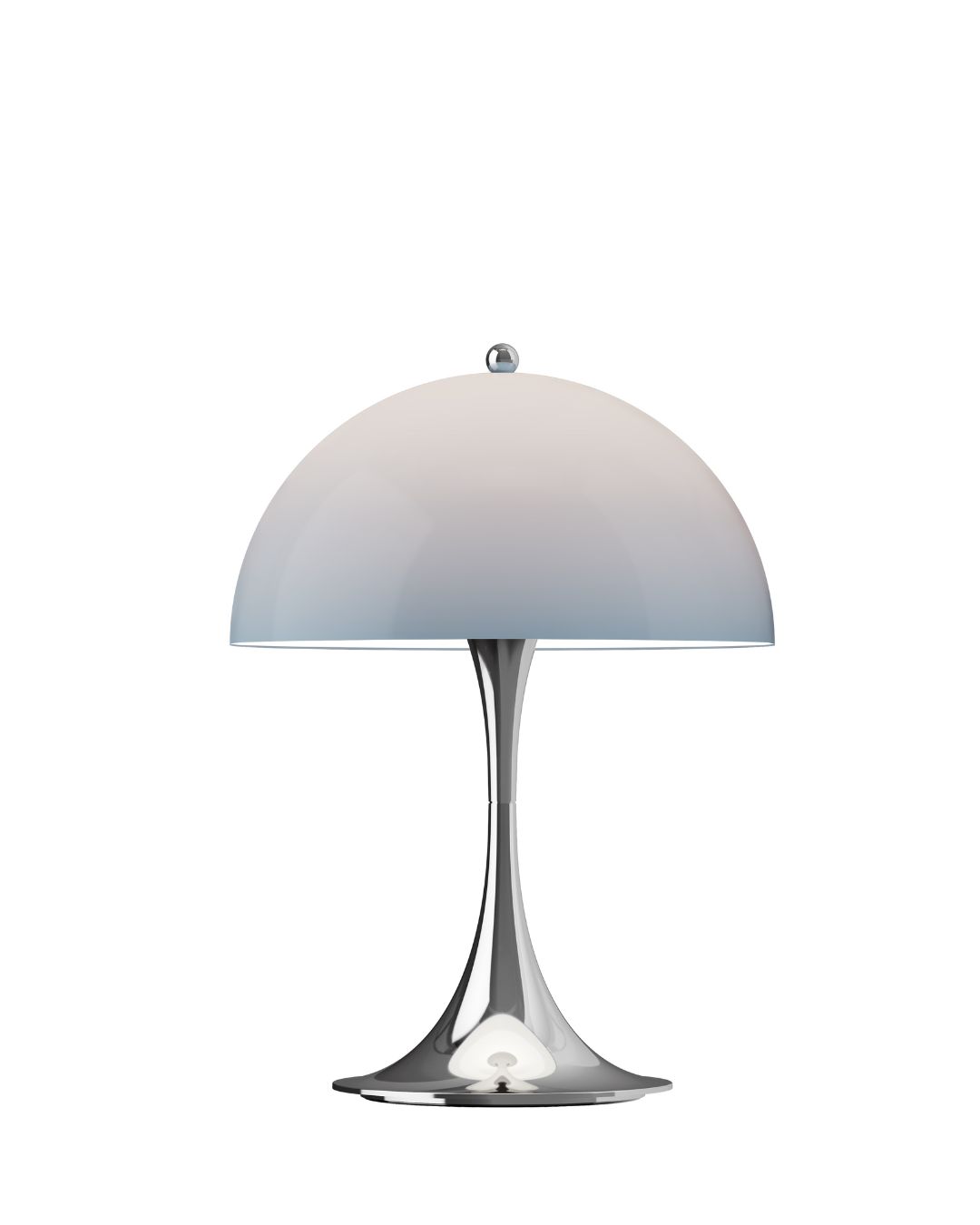
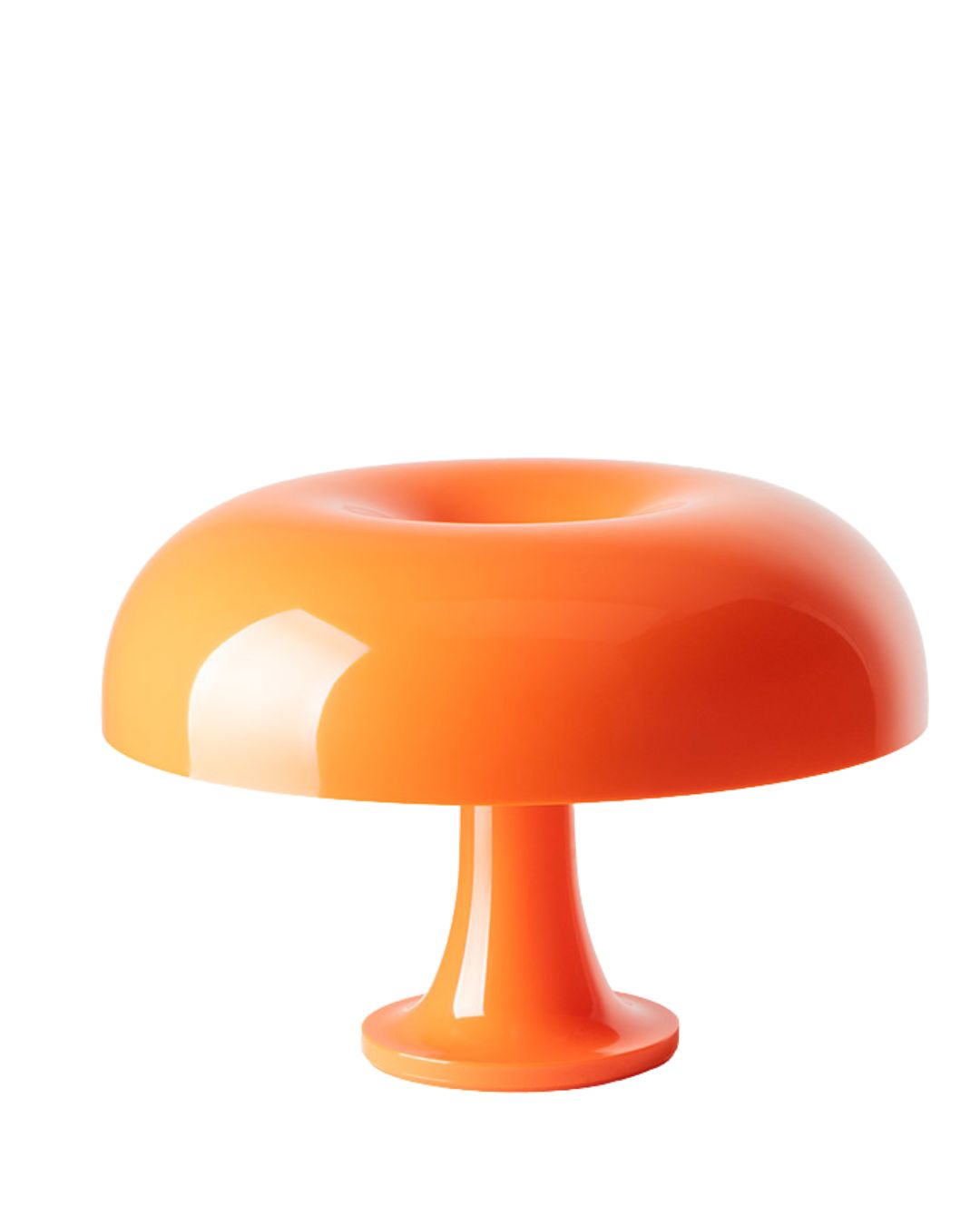
How to Light Your Christmas Table: Inspiration for a Magical Setting
The table is set, the glasses catch the first reflections of the evening, and the final preparations are almost complete. Yet one element can still transform the entire atmosphere of your Christmas celebration: light.
At Christmas, lighting does more than illuminate the food and help guests see one another. It creates intimacy, reveals the beauty of the decorations and accompanies each stage of the meal. Lighting that is too bright can diminish the magic of a carefully styled table. Insufficient illumination, however, strains the eyes, dulls colours and makes dining less comfortable.
Lighting a Christmas table therefore requires balance. The atmosphere should feel warm without becoming too dark, decorative without appearing cluttered, and spectacular without causing glare. Pendant lights, candles, portable lamps and fairy lights can work together to create a lively setting that evolves throughout the evening.
This guide explains how to create Christmas table lighting that feels elegant, comfortable and genuinely memorable.
Why is lighting essential for a Christmas table?

It immediately creates atmosphere
Colours and materials do not appear the same under warm, neutral or cool light. A white tablecloth may look crisp beneath bright lighting but become softer and more inviting under a golden glow.
At Christmas, most people seek a sense of warmth. Amber tones recall candlelight, a glowing fireplace and traditional festive illuminations. They make a room feel welcoming even when the decorations themselves remain understated.
Light also creates depth. It makes glass sparkle, animates metallic surfaces and reveals the textures of linen, wood, ceramics and foliage. A simple table can therefore become remarkable without requiring an abundance of ornaments.

It encourages conversation
A festive meal is first and foremost a moment of togetherness. For conversation to feel natural, faces should be clearly and comfortably illuminated without being exposed to harsh direct light.
A powerful ceiling light in the centre of the room may produce even illumination, but it rarely creates intimacy. Several softer sources visually bring guests together and define a warmer area around the table.
The aim is to preserve sufficient light for serving food and moving safely through the room while creating a more subdued atmosphere than one would use for everyday activities.

It showcases the decorations
Like a theatrical setting, lighting can guide the eye. A pendant light draws attention towards the centre of the table. A fairy light follows a garland of foliage. Candles highlight glasses, polished cutlery and golden details.
This hierarchy matters. If every source has the same intensity, none can establish a clear focal point. A successful Christmas table usually combines one principal light source with several more delicate accents.
Begin by observing the room
Before adding candles or selecting a new light, consider the lighting that is already available.
Is there a ceiling outlet directly above the table? Does the room have a dimmer? Are there lamps on a sideboard or console? Is the general light warm or cool? Is the tabletop pale, dark, glossy or matt?
The answers will influence the final composition.
A dark wooden table absorbs more light than a pale surface. Glass and highly polished finishes multiply reflections and may increase glare. A small dining room requires fewer sources than a large open-plan space.
Ceiling height should also be considered. A high room can accommodate a more sculptural pendant or a composition of several lights. In a lower space, a visually lighter model or carefully positioned lighting will preserve a greater sense of openness.


Choose warm light for Christmas dinner
Which colour temperature should you select?
The colour temperature of a bulb is expressed in kelvins. The lower the value, the warmer and more golden the light appears. As the value increases, the light becomes whiter and may eventually take on a slightly bluish tone.
For a Christmas table, a colour temperature of approximately 2,200 to 2,700 K generally creates the most welcoming atmosphere. Light close to 2,200 K is reminiscent of a flame. At around 2,700 K, it remains warm while providing a clearer view of food and colours.
A more neutral temperature may suit some contemporary interiors, but it rarely creates the same sense of intimacy. If the room contains several lights, choose similar colour temperatures to avoid an uncomfortable mixture of yellow, white and bluish tones.
Do not overlook colour rendering
Colour temperature alone does not determine the quality of light. The colour rendering index, commonly indicated as CRI, describes how accurately a source reveals colours.
For a festive dining table, a CRI of 90 or above is particularly worthwhile. It reproduces the shades of food, textiles, flowers and faces more faithfully.
This becomes especially important when the decorations rely on subtle colours, including natural greens, deep reds, coloured porcelain, patinated metals and tinted candles.


The pendant light: the table’s principal light source
Why install a pendant above the table?
A pendant visually defines the dining area. By bringing the light closer to the tabletop, it creates a more intimate zone, even within a large room.
Its role is both functional and decorative. When switched off, it remains an architectural object. When illuminated, it becomes the starting point for the entire lighting composition.
For a Christmas table, however, a pendant should not be selected solely for its appearance. The way it distributes light is equally important.
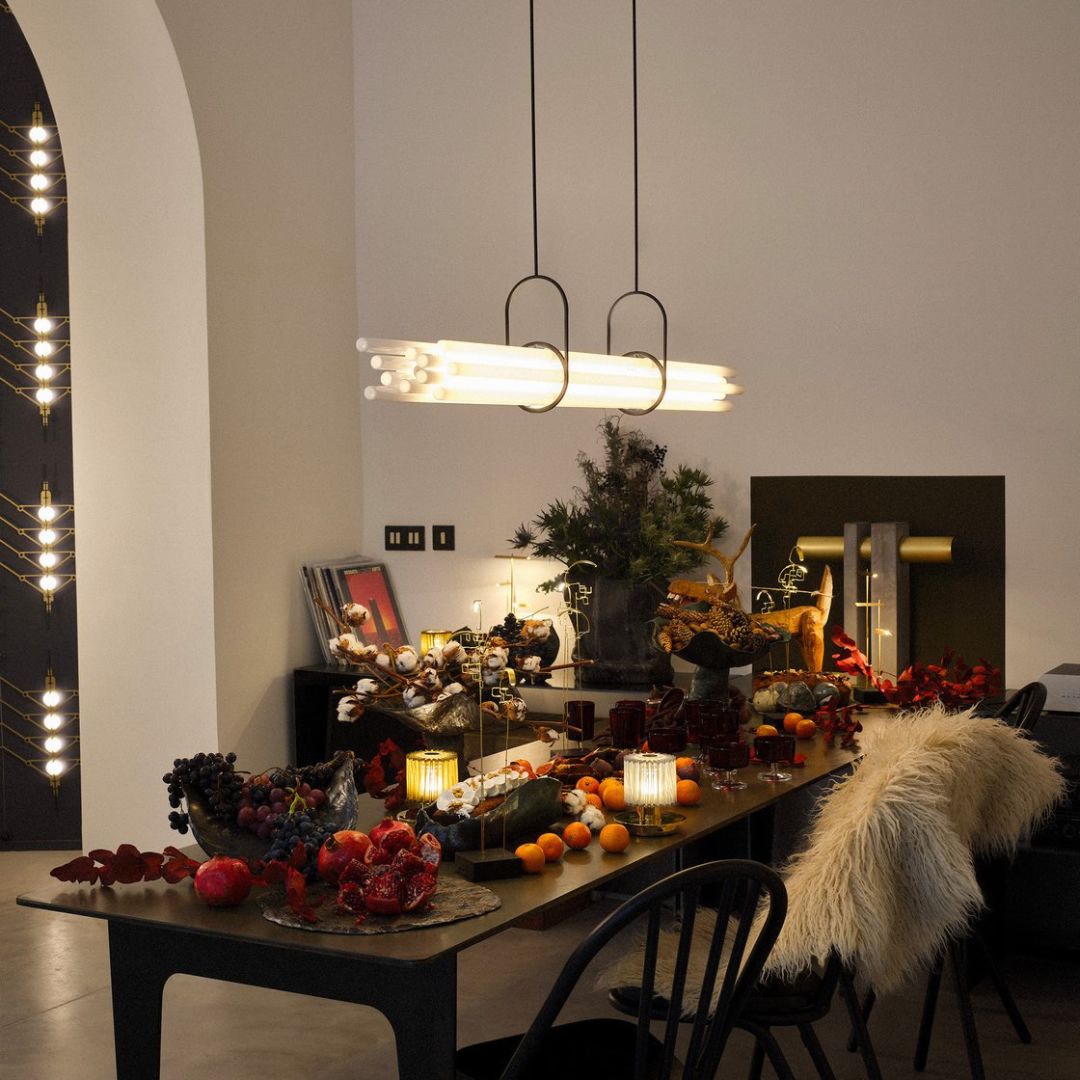
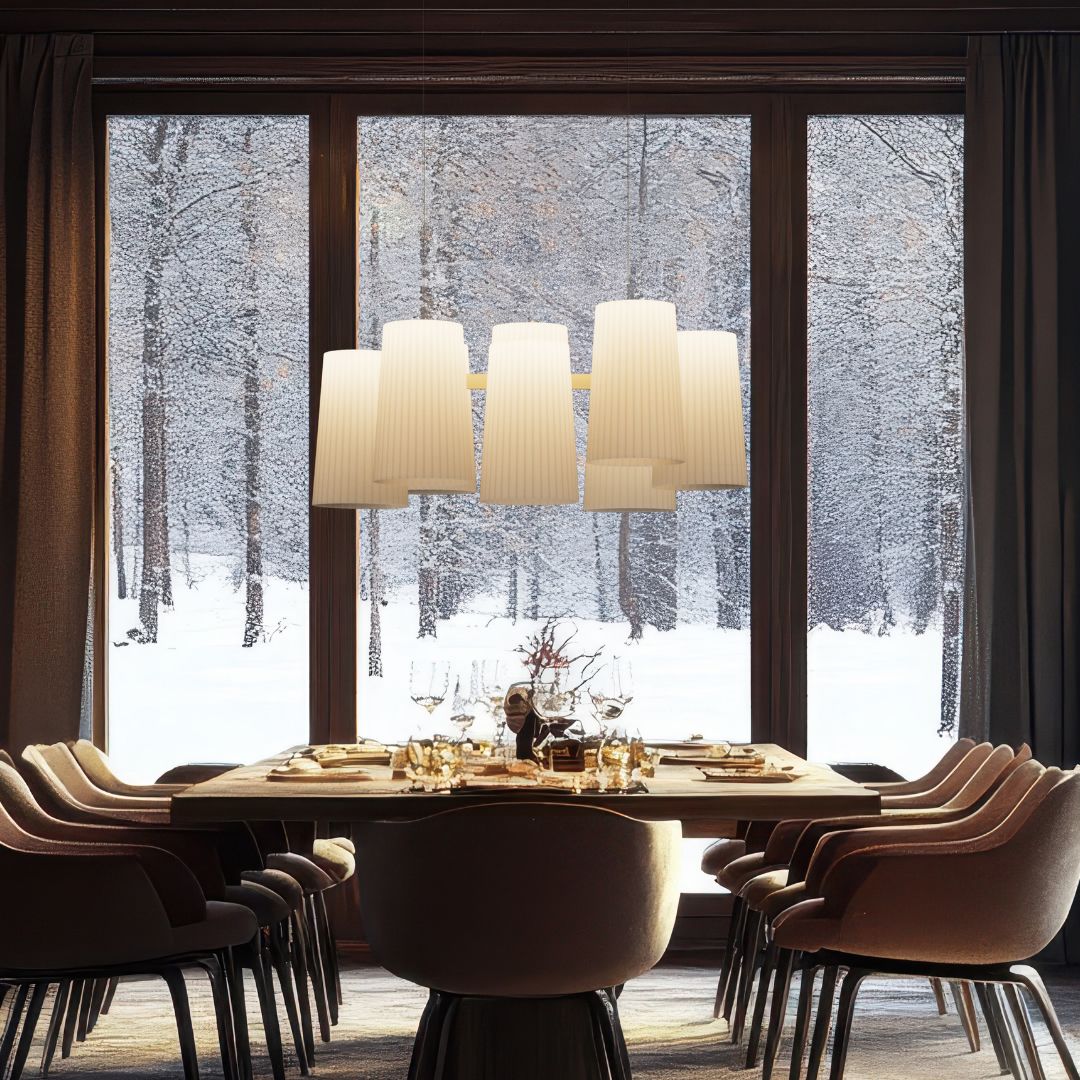
A shade that opens downwards directs light onto the tabletop. An opal-glass diffuser produces softer, more even illumination. A perforated material casts decorative shadows but may need to be supplemented by another light source.
How high should the pendant hang?
A distance of approximately 60 to 80 centimetres between the tabletop and the bottom of the fitting is a commonly used reference.
The precise position should be adjusted according to the shape of the pendant, the dimensions of the table and the height of the people seated around it.
The fitting should illuminate the meal without interrupting sightlines. Guests should be able to see and speak to one another naturally.
A large pendant may need to hang slightly higher. A compact design with carefully controlled light can sometimes be positioned lower.
Before fixing the cable permanently, simulate the intended height using a cardboard template or an object of similar dimensions.
Should you use one pendant or several?
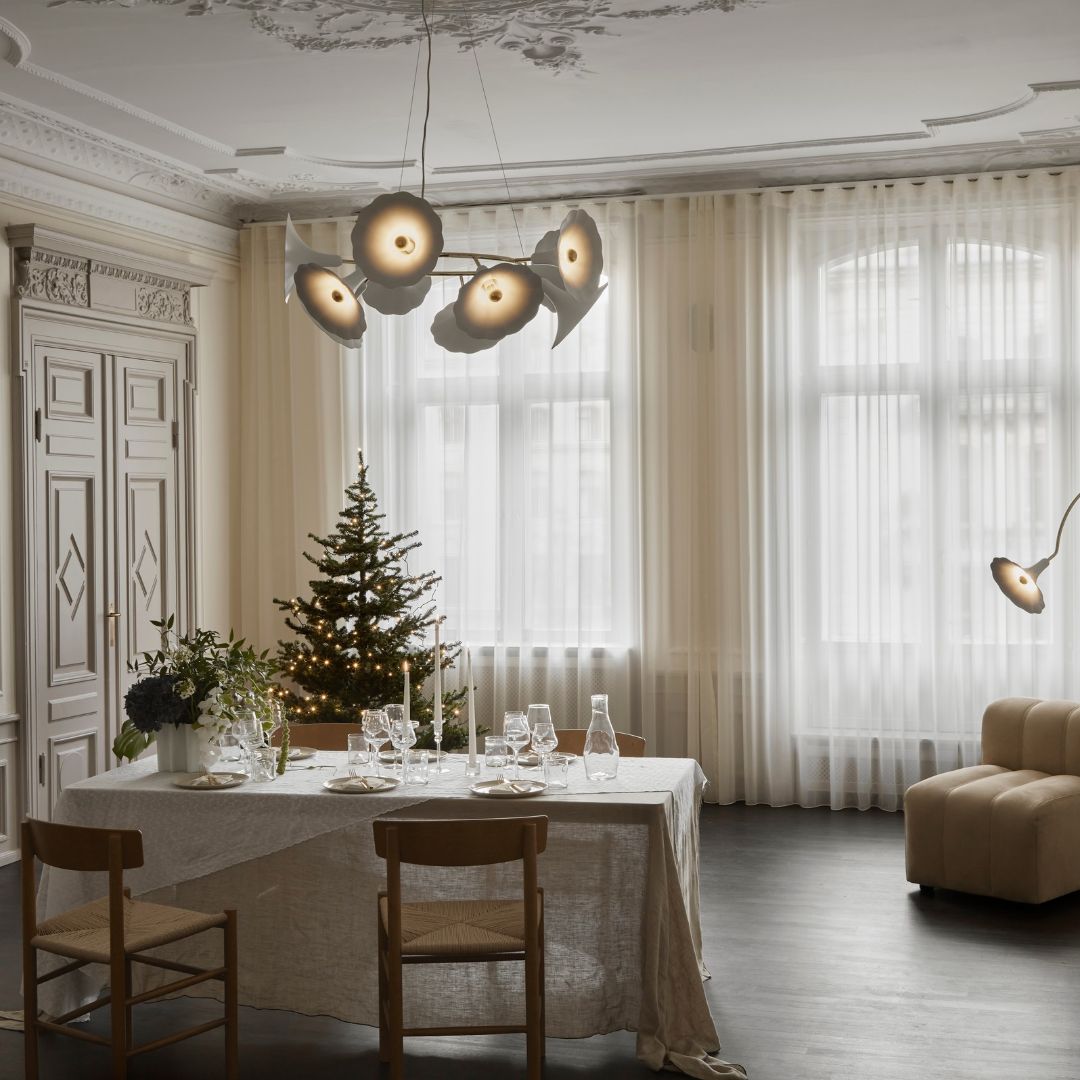
A single pendant works well above a round or square table. It naturally highlights the centre and reinforces the symmetry of the composition.
For a long rectangular table, several solutions are possible:
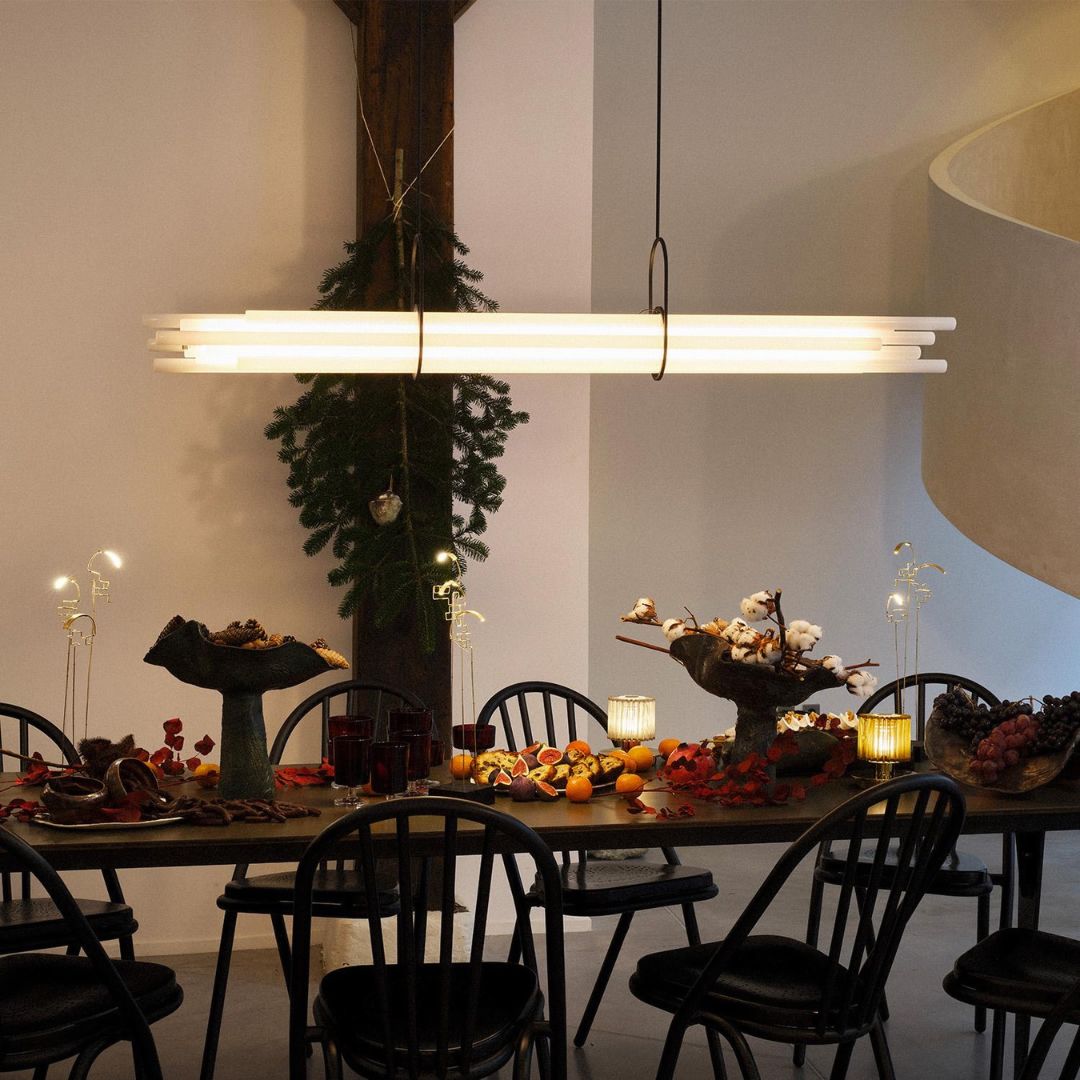
- one large linear pendant;
- two or three identical lights arranged in a row;
- a cluster of pendants at different heights;
- a modular system that allows the lighting points to be repositioned.
Repeating several fittings can create a spectacular result, but the overall composition must remain proportionate to the tabletop. Every place should receive comfortable light without making the room feel visually overcrowded.


Plan for adjustable intensity
A dimmer allows the lighting to evolve throughout the evening.
A higher level is useful during the final preparations and when serving the food. Softer light can accompany the meal, followed by a lower intensity during conversations at the end of the evening.
The bulb, fitting and dimmer must all be compatible. A bulb labelled as dimmable will not necessarily work correctly with every control system.
Build the lighting in layers
An elegant table almost never depends on a single light source. Combining several lighting levels creates a richer and more comfortable atmosphere.
The main light
This will usually come from the pendant. It should provide sufficient illumination for the table and guests without overpowering the entire room.
Ambient lighting
Ambient light may come from a floor lamp, wall light or table lamp placed on a sideboard. It prevents the dining table from appearing isolated within an otherwise dark room.
These peripheral sources should remain softer than the principal light. Their purpose is to extend the atmosphere into the surrounding space.
Decorative lighting
Candles, fairy lights and small portable lamps provide the final accents. They create reflections and animate the table, but they should not be used as the meal’s only illumination.
The success of the composition depends on hierarchy: a clear principal source, discreet ambient light and a few carefully positioned decorative highlights.
Les lumières décoratives
Bougies, guirlandes et petites lampes nomades apportent les derniers accents. Elles créent des reflets et animent la table, mais ne doivent pas être utilisées comme unique éclairage du repas.
La réussite de la composition repose sur la hiérarchie : une source principale lisible, une lumière ambiante discrète et quelques points lumineux décoratifs.


How to use candles without overcrowding the table
Vary the heights with restraint
Candles are inseparable from the imagery of Christmas. Their moving flame possesses a quality that is difficult to reproduce with any other light source.
To give the composition rhythm, combine slender candles, small votives and lower designs. Sightlines between guests must nevertheless remain clear. Flames and candlesticks should not form a visual barrier across the centre of the table.
On a narrow table, several small votives are often easier to integrate than one large candelabrum. A wider table can accommodate a few taller pieces, provided that they are sufficiently spaced.
Keep flames away from sensitive materials
Candles must remain at a safe distance from fir branches, ribbons, napkins, dried arrangements and other flammable materials.
Place them on stable, heat-resistant holders away from areas used for passing dishes.
Never leave candles unattended, and extinguish them before leaving the room.
When the table is richly decorated or young children are present, good-quality LED candles may provide greater peace of mind. Models with warm, gently flickering light look more natural than very white alternatives.


Integrate fairy lights elegantly
A fairy light can become a discreet thread running through the table decorations. It may be woven into a foliage arrangement, follow a branch or highlight the centre of the composition.
For a premium result, choose a fine wire and warm light. The individual points should remain subtle: the fairy light is intended to create a gentle sparkle, not become the primary source.
Conceal the battery compartment or power supply without inconveniencing guests. Wires should never cross plates, serving areas or the edge of the table.
An overly dense fairy light may make the decorations appear artificial. A few well-distributed points are usually enough to reveal foliage, glass and metallic accessories.
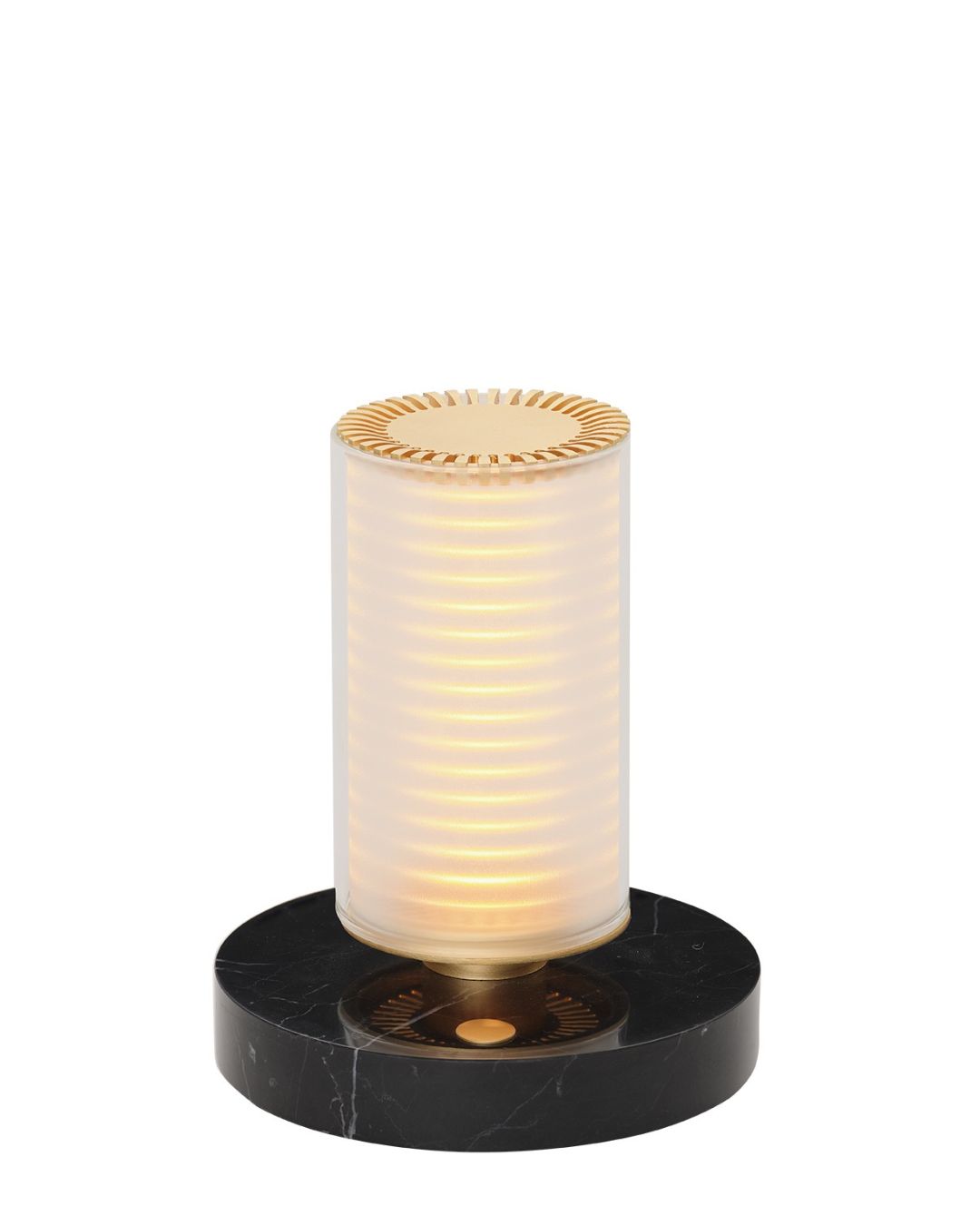
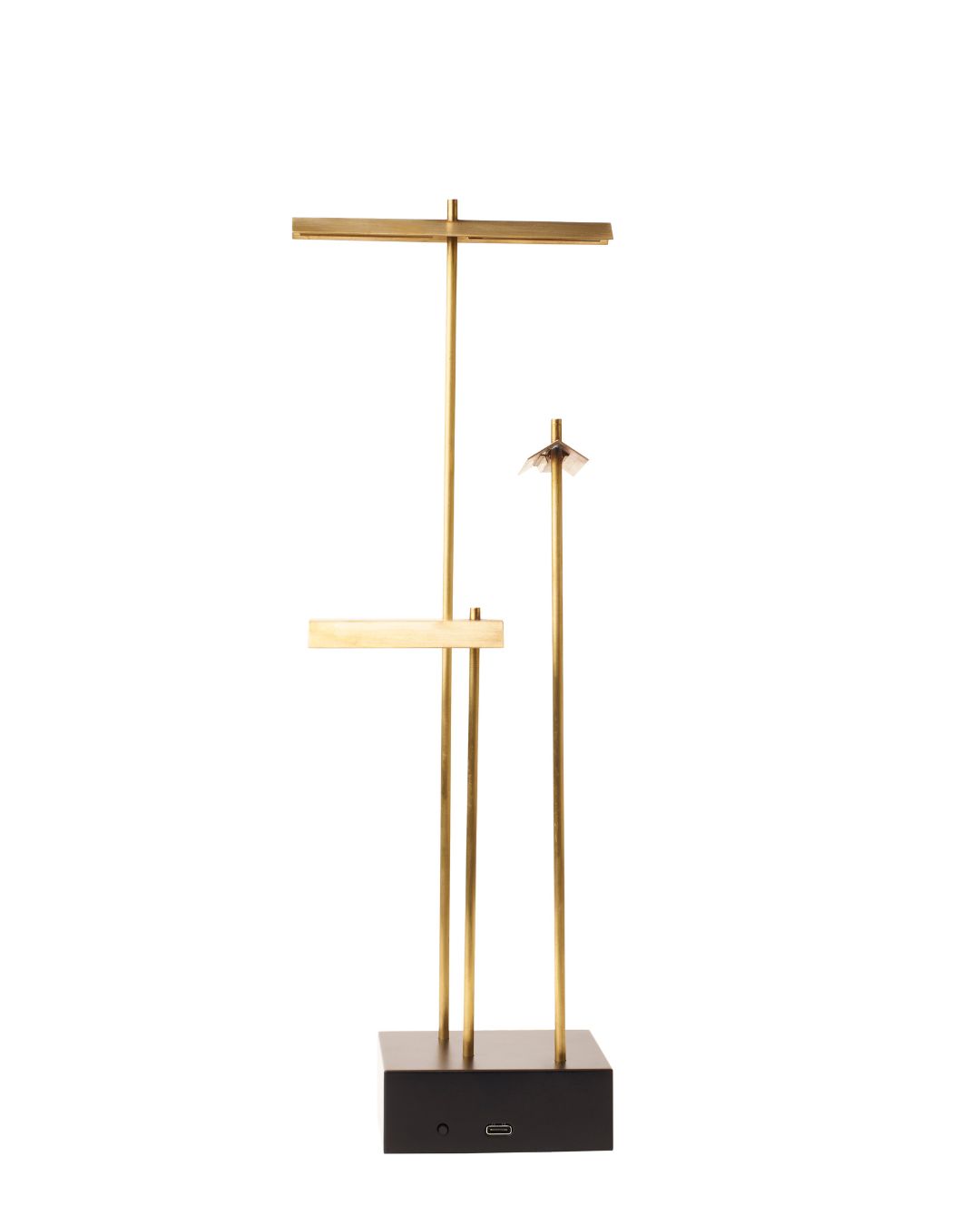
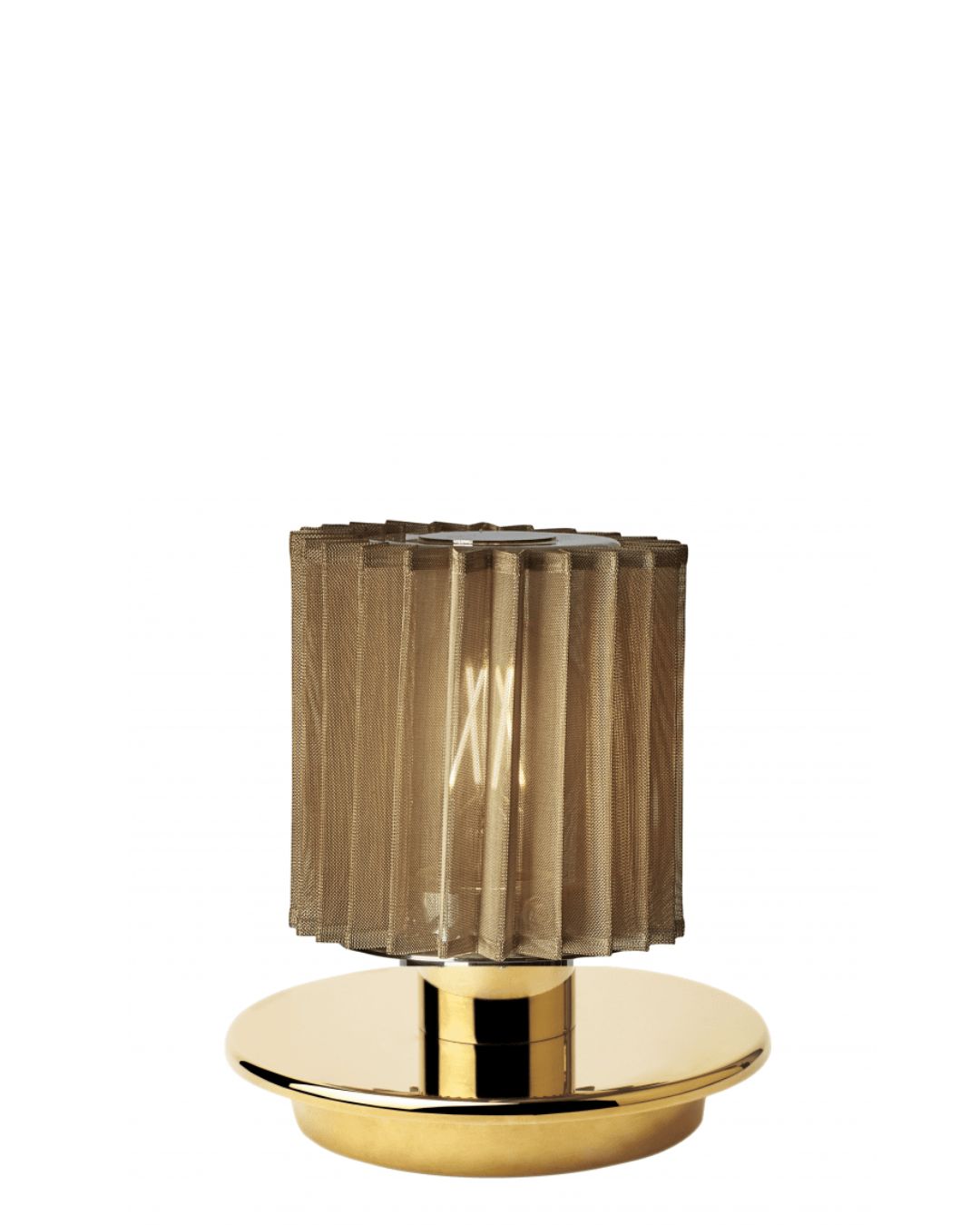
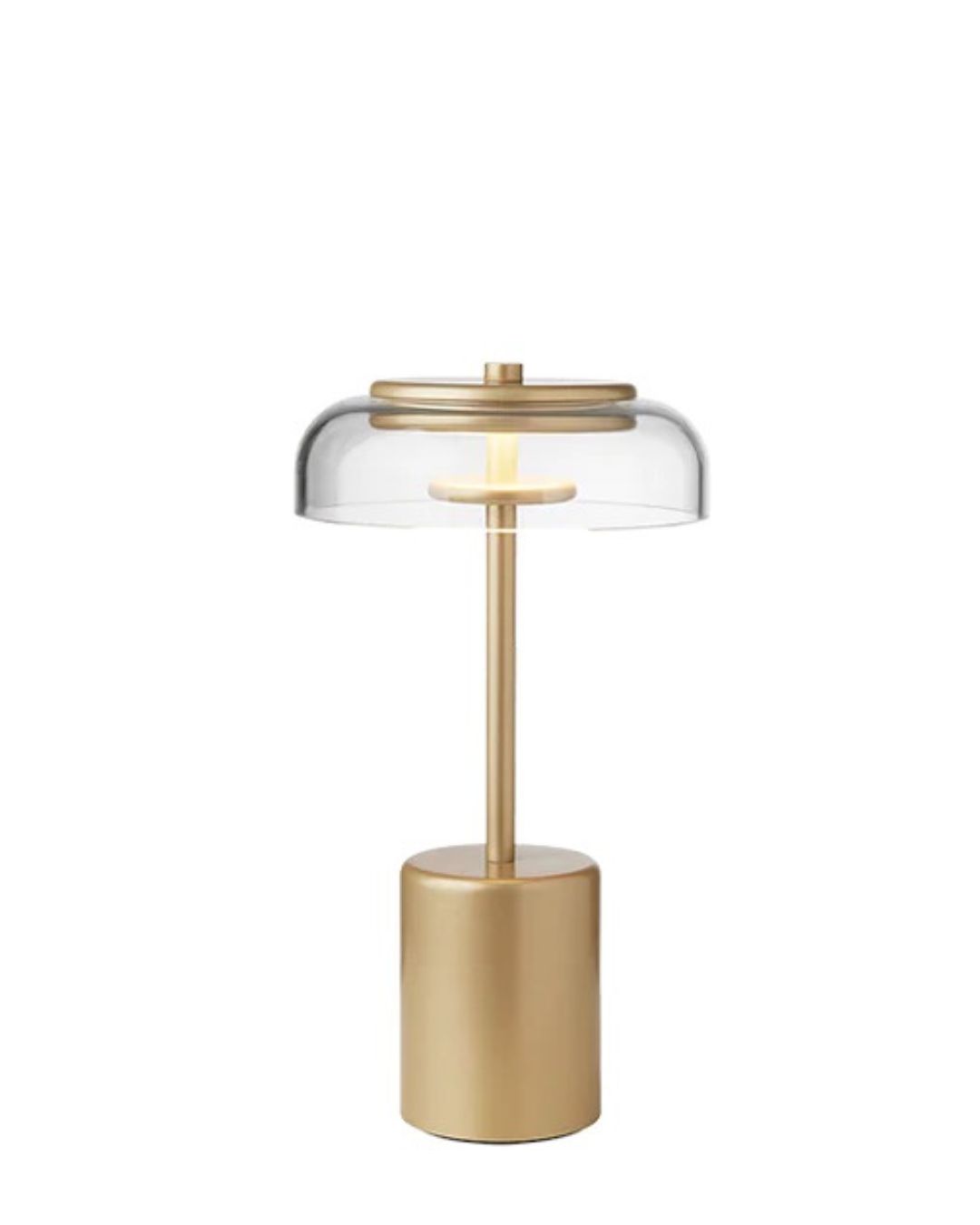
Portable lamps: a flexible and contemporary solution
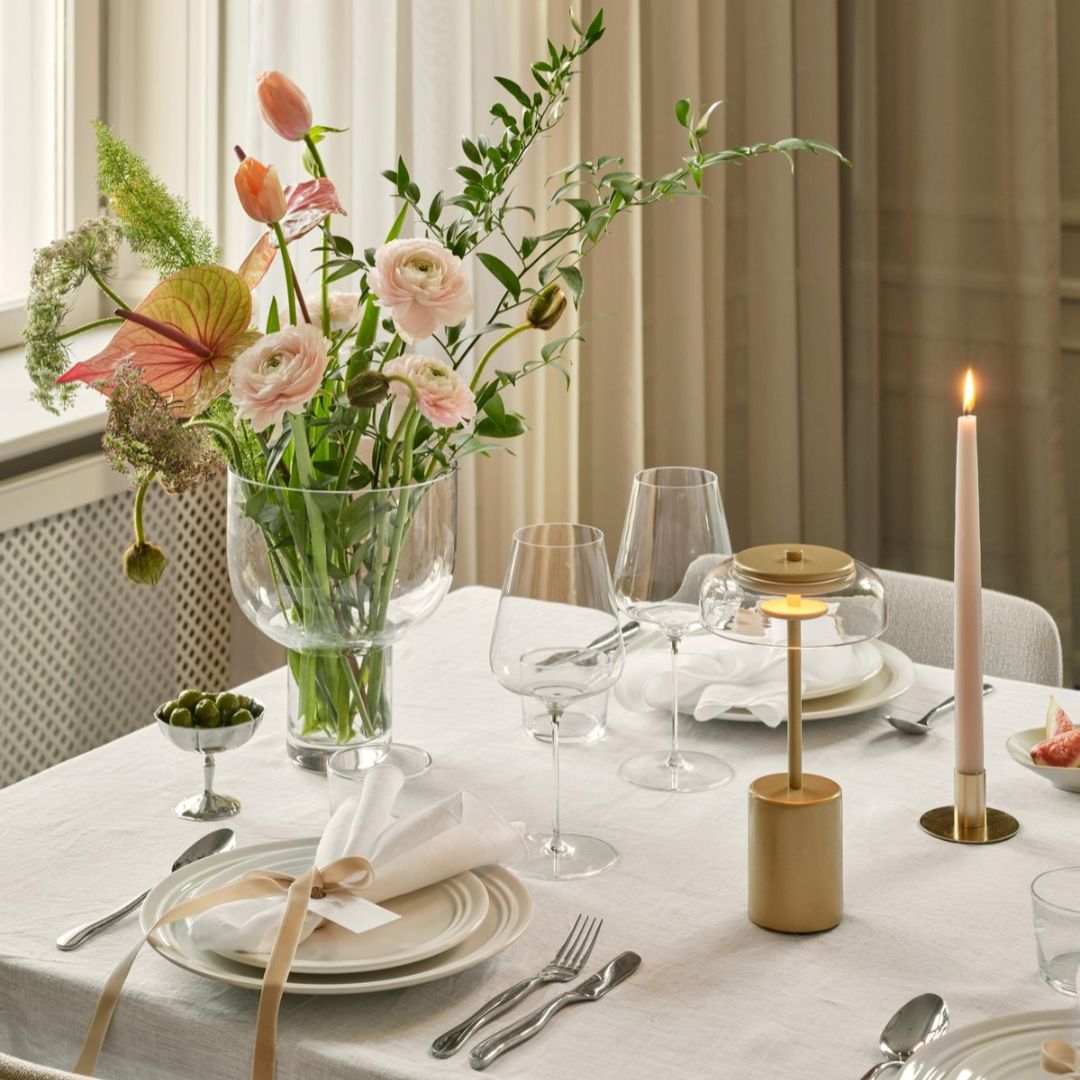
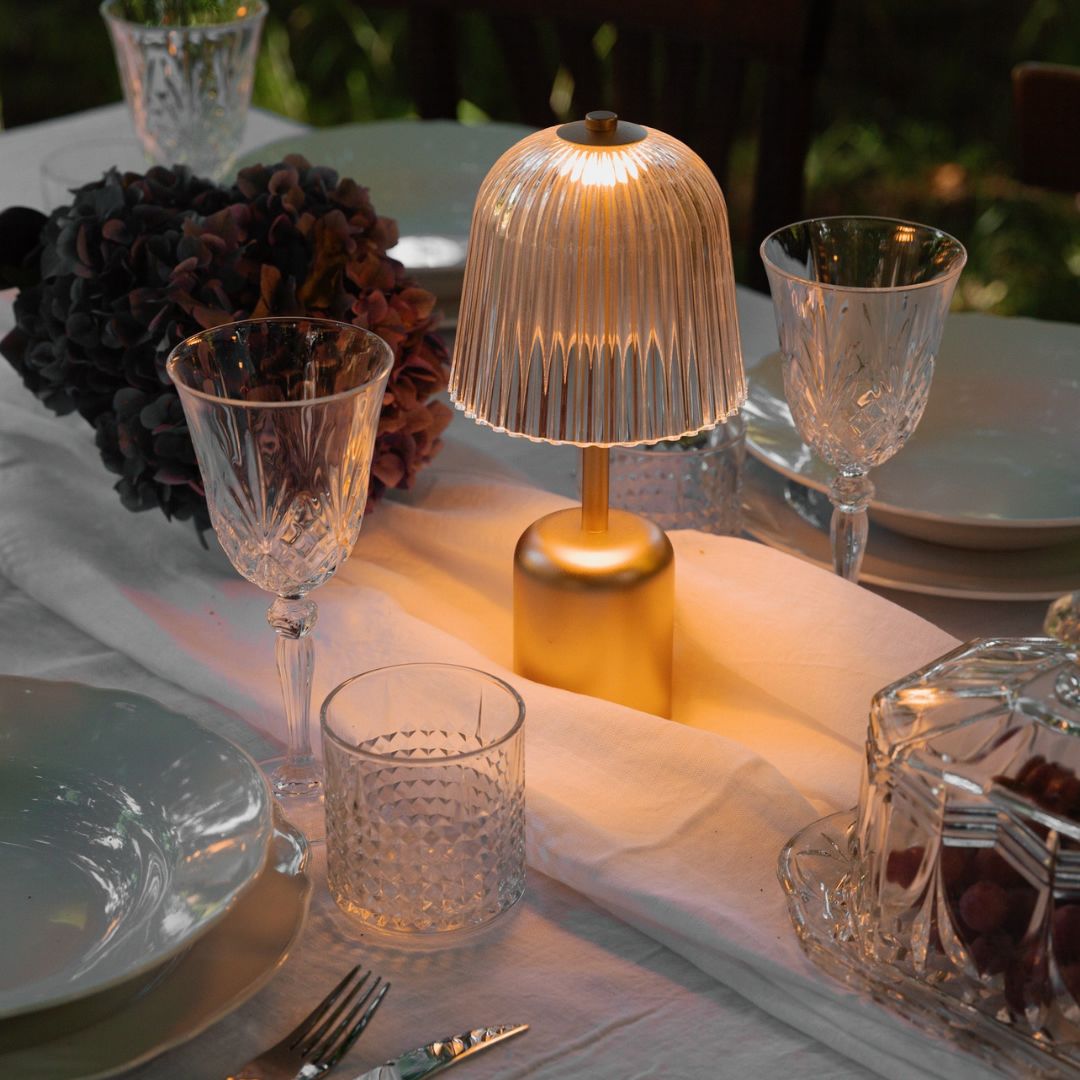
Cordless lamps are especially useful when no pendant is positioned above the table or when the decorations need temporary additional lighting.
Their modest height helps preserve sightlines. They can be positioned in the centre of the table, on a nearby sideboard or at the end of a console.
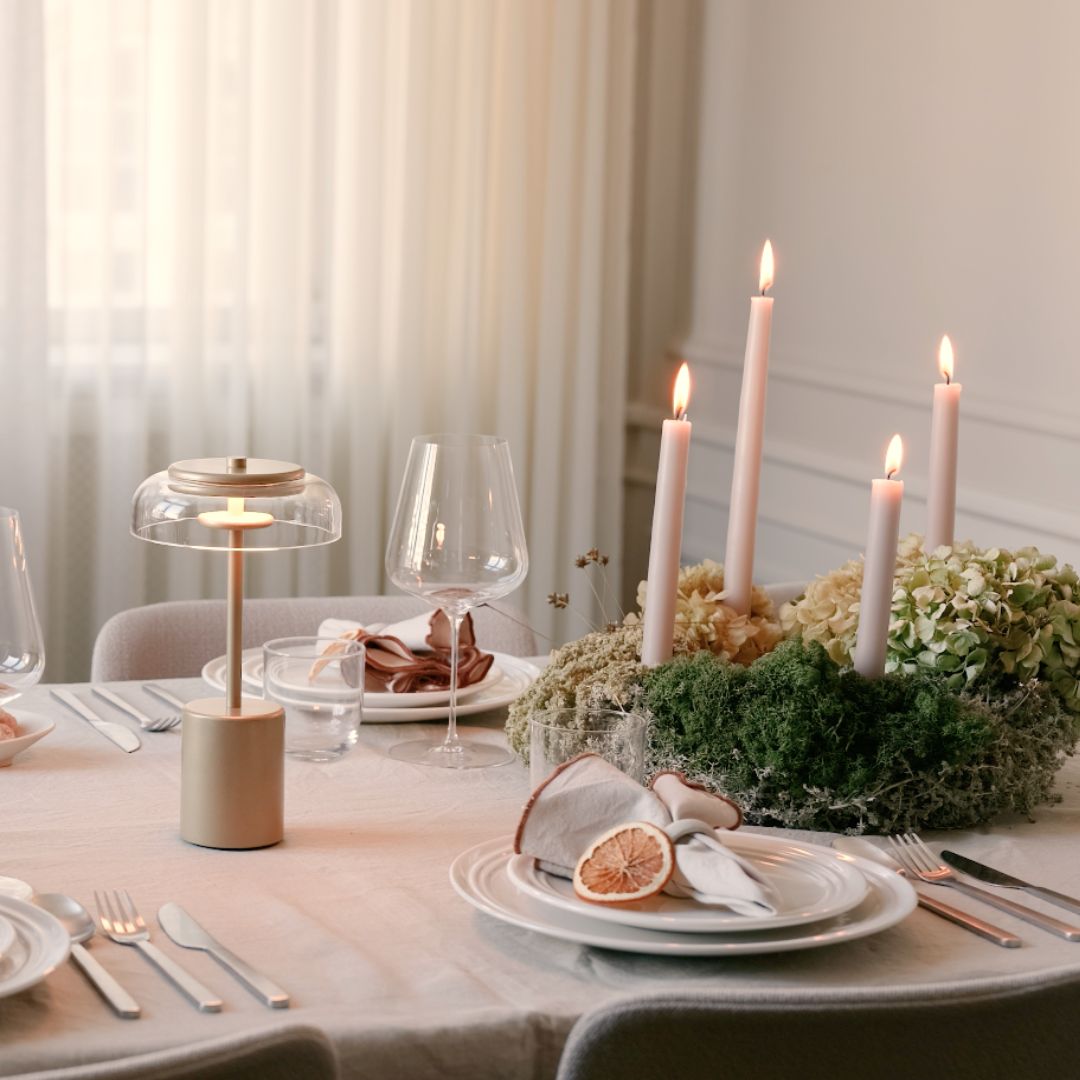
For the tabletop, select a stable, compact model that produces comfortable illumination. Downward-directed light creates a defined pool around each lamp, while an opal diffuser distributes the glow more broadly.
Before the meal, check the battery life and fully charge every lamp. Adjustable intensity offers greater freedom to adapt the atmosphere during the evening.


Inspiration for four Christmas table styles

A natural and welcoming Christmas table
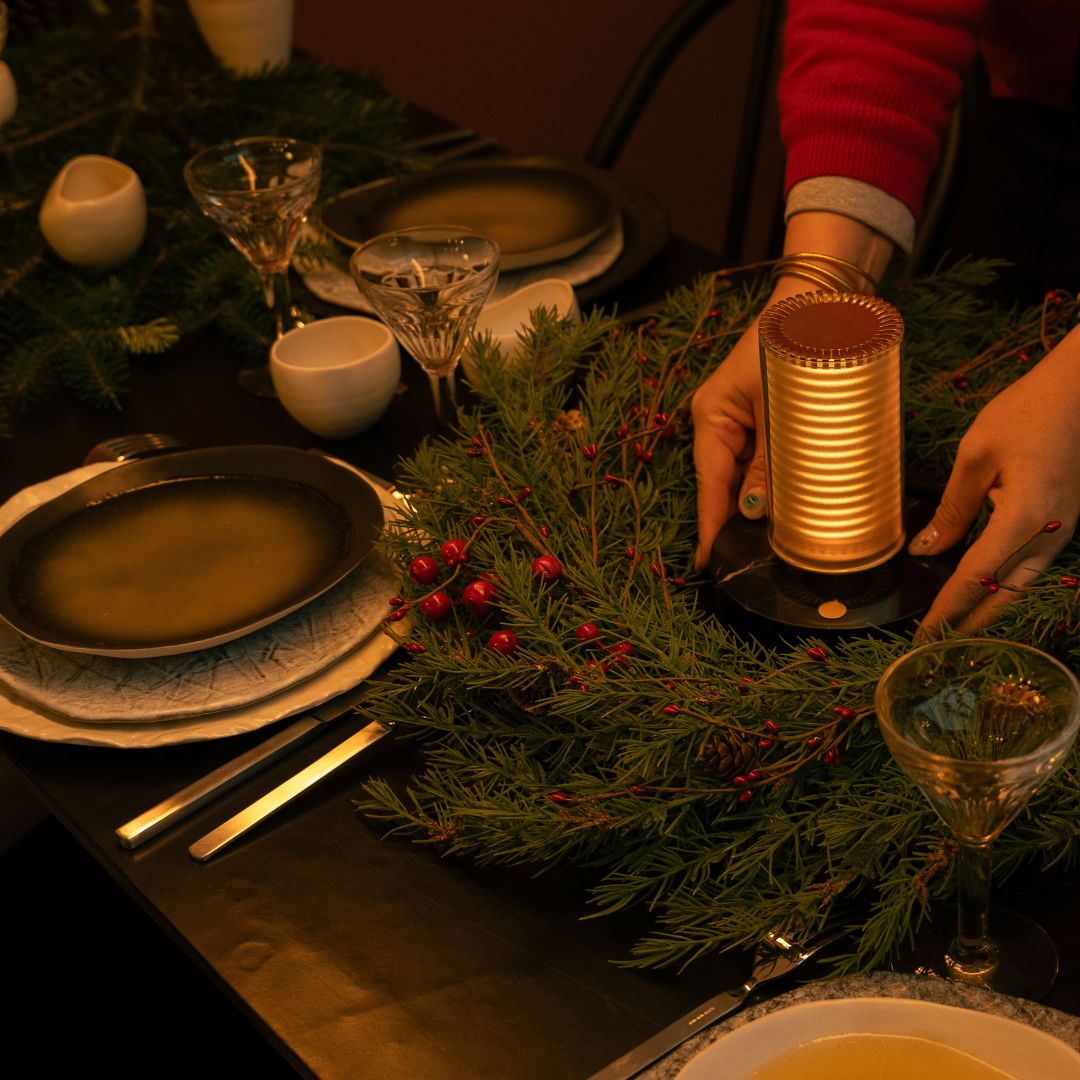
For a nature-inspired setting, combine warm light with authentic materials such as washed linen, wood, handcrafted ceramics, fir branches and pinecones.
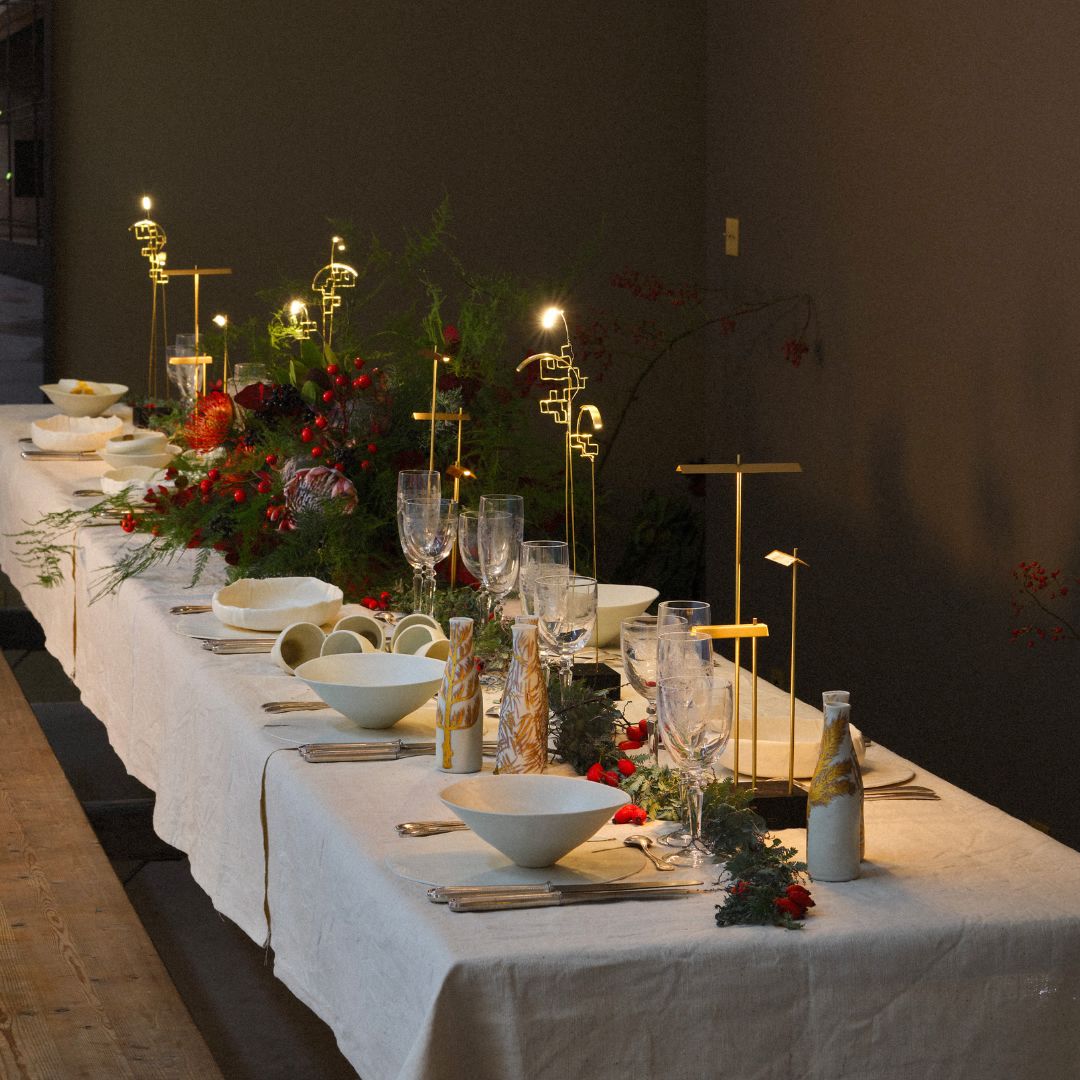
A pendant made from a natural material, or one with restrained lines, can illuminate the centre of the table. Add a few transparent votives and a very fine fairy light woven through the greenery.
Gold details may be introduced sparingly through the cutlery or napkin rings, allowing them to catch the light without compromising the simplicity of the arrangement.

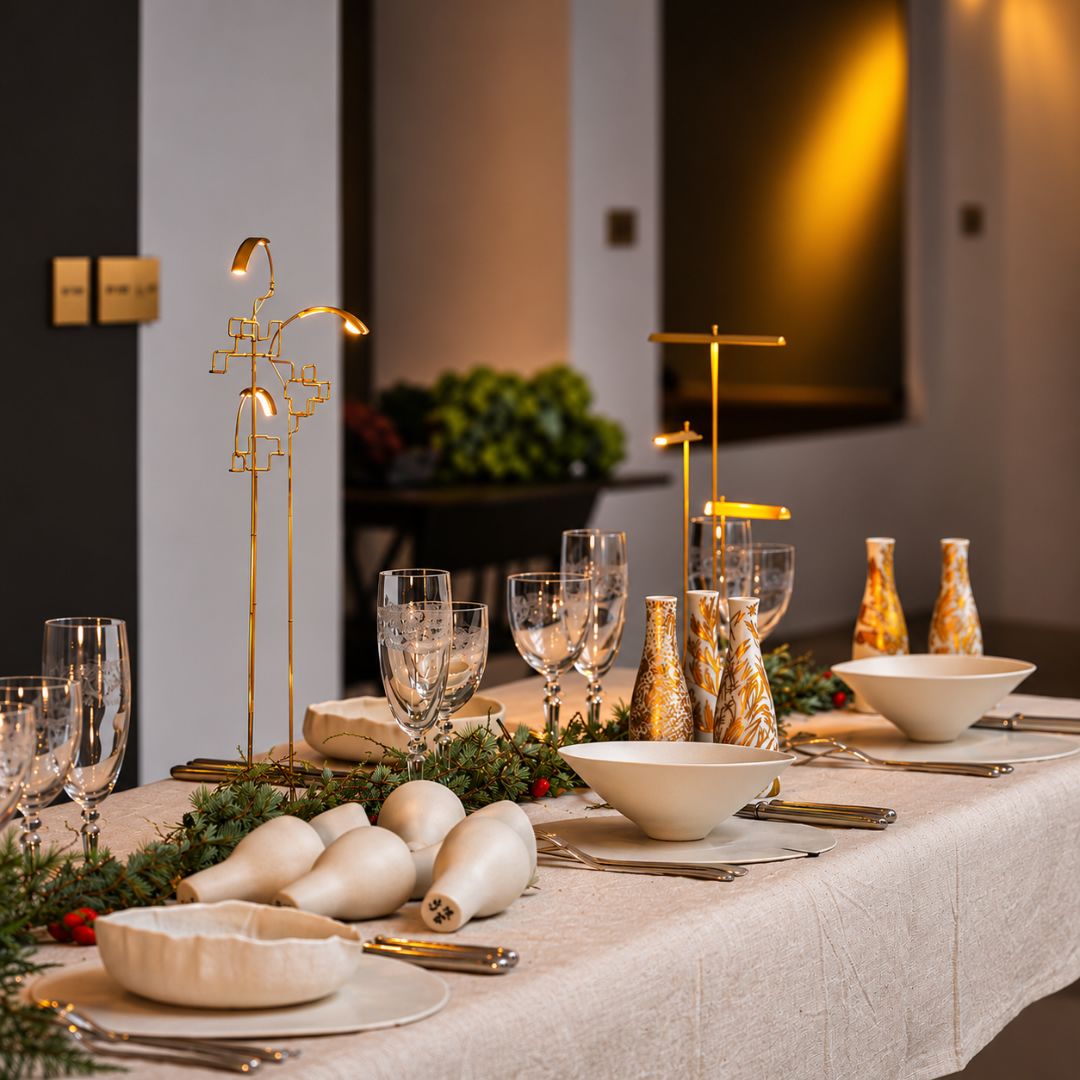
A white and gold Christmas table
White and gold create a bright and refined festive setting. A pale tablecloth naturally reflects light, making it possible to retain a relatively gentle intensity.
Choose fine glassware, selected gold accents and ivory candles. A pendant in opal glass or pale metal reinforces the elegance of the composition.
To avoid an overly uniform result, introduce different textures: matt porcelain, transparent glass, softly creased fabric and polished metal.

A contemporary and graphic table
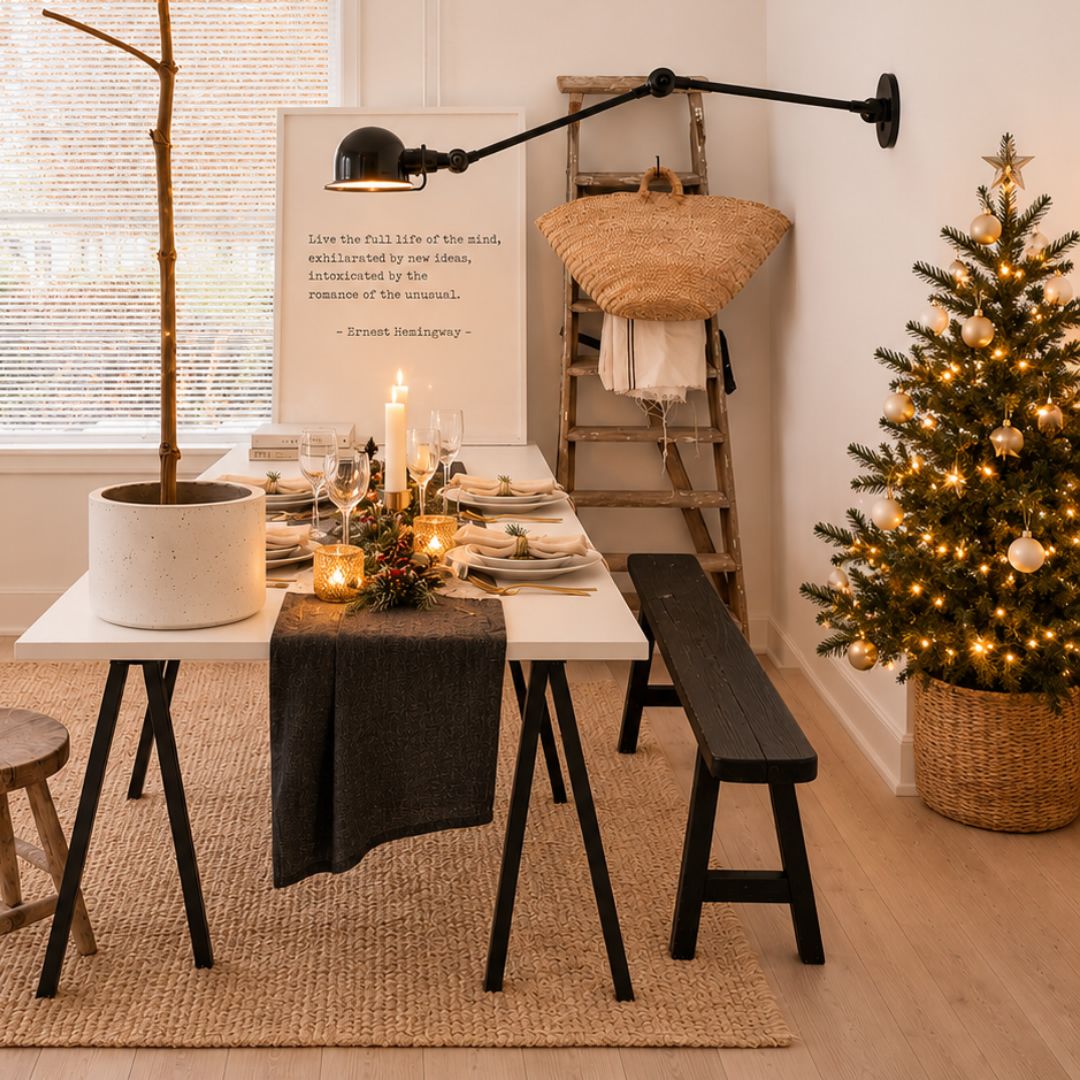
A contemporary Christmas scheme may combine black, white, smoked glass and carefully chosen metallic accents.
A sculptural pendant or several small aligned fittings will structure the setting. Low candles in dark votives introduce additional depth.
The lighting should remain warm to soften the contrasts. Light that is too white would make the surfaces appear colder and diminish the sense of conviviality.

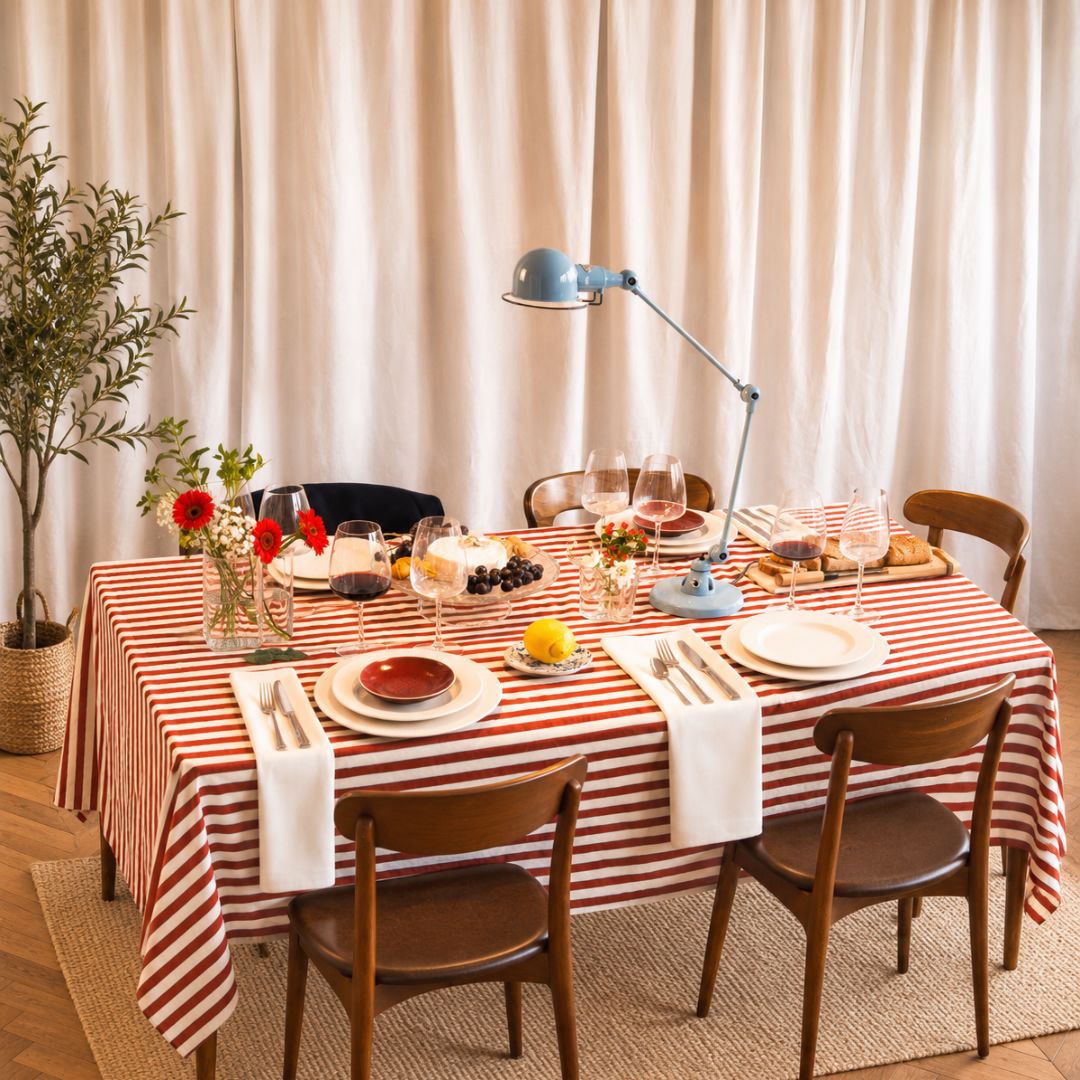
A traditional red and green table
Red, fir green and gold immediately evoke Christmas. To modernise this classic palette, choose deep shades rather than excessively bright colours.
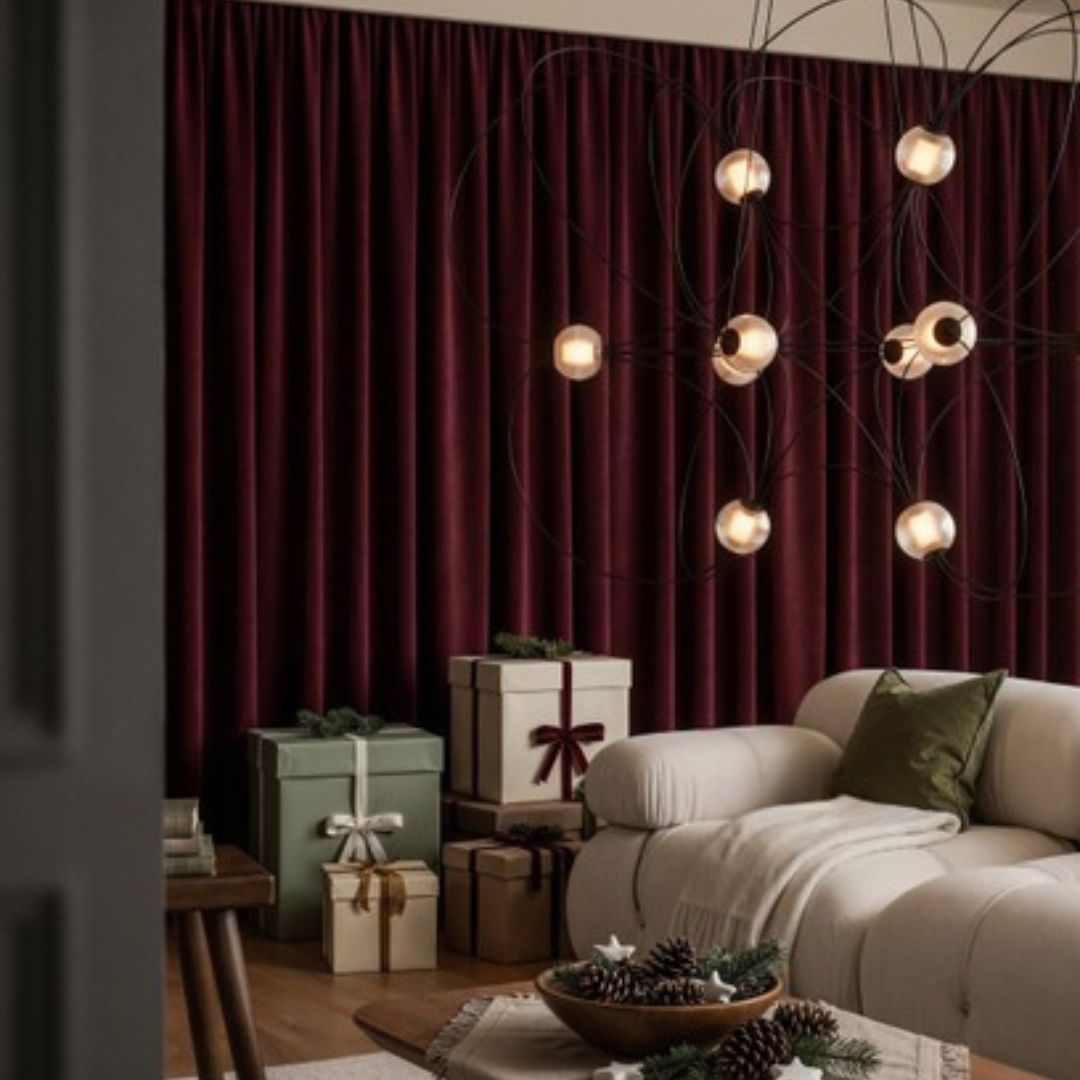
Amber light reveals the richness of burgundy, forest green and patinated brass. Candles can repeat one of these tones, while a subtle fairy light animates the centrepiece.
As the decorations are already expressive, the principal fitting should remain visually balanced.
Adapt the lighting to the shape of the table
For a round table
A central pendant is generally the most harmonious solution. It emphasises the geometry of the tabletop and distributes light evenly.
The centre can accommodate a compact arrangement of candles or foliage, provided that it does not interfere with conversation.
For a rectangular table
The lighting should follow the table’s length. A linear pendant, several smaller fittings or a repositionable system will prevent the ends from remaining in shadow.
Candles and decorative lights can be distributed rhythmically rather than concentrated only in the centre.
For an extending table
A table opened for the festive season may no longer align correctly with the existing pendant. Repositionable fittings or portable lamps can restore balance.
Set up the table in its final configuration several days before Christmas. This provides enough time to address a dark area or relocate a decorative element.
Common mistakes to avoid
Using only the main ceiling light
Bright, uniform lighting reduces depth and intimacy. Even without a suitable pendant, additional lamps can create several complementary lighting levels.
Choosing light that is too white
A cool source can make food, faces and materials look less inviting. A lower colour temperature is generally more flattering for Christmas.
Hanging the pendant too low
A fitting positioned within the guests’ field of vision obstructs conversation and makes the table feel crowded. Always assess the height from a seated position.
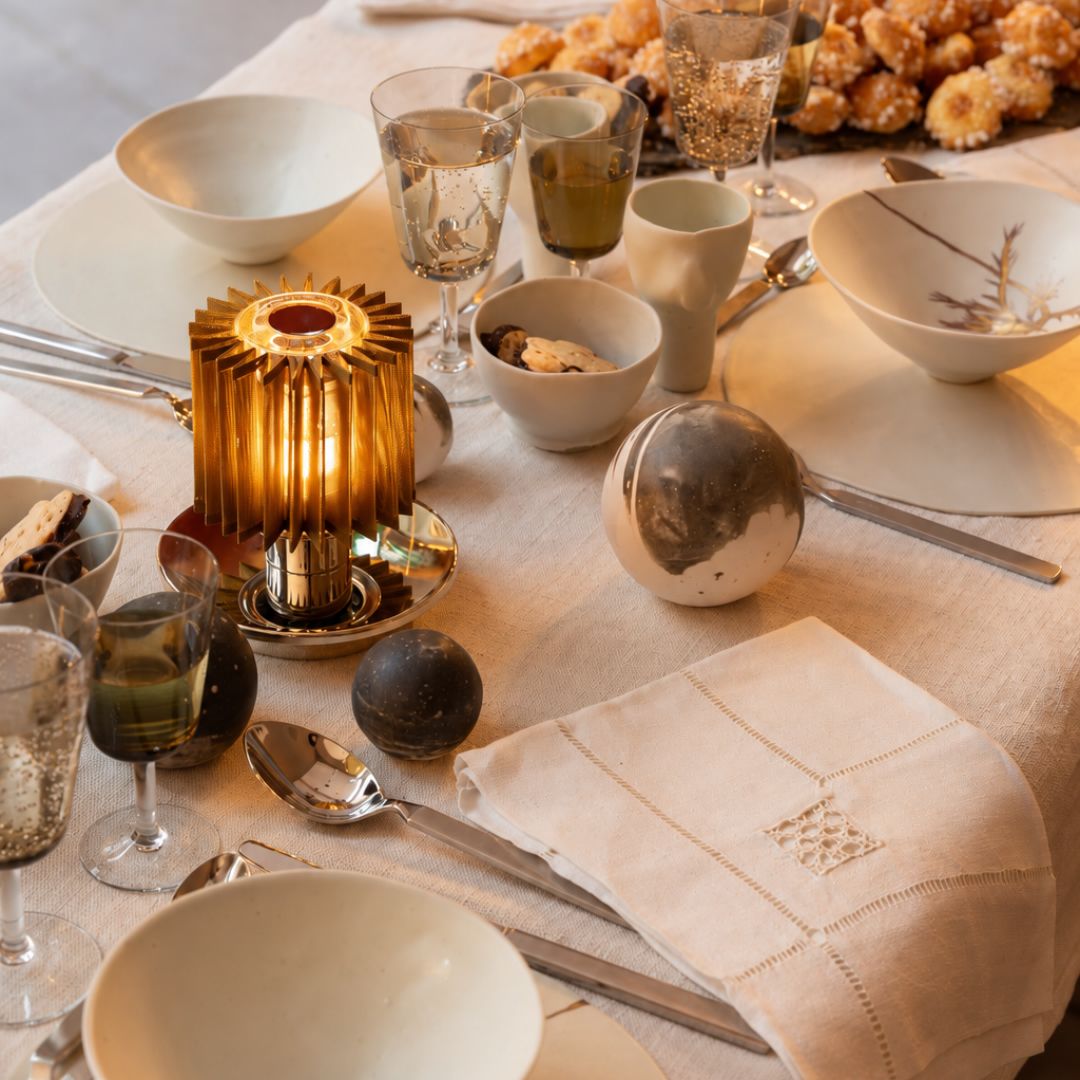
Mixing too many inconsistent sources
Pendants, fairy lights, candles and portable lamps can work together, but their colour temperatures should remain harmonious. A mixture of orange, white and bluish light fragments the atmosphere.
Overcrowding the centre of the table
Lighting should enhance the meal, not make serving more difficult. Retain enough space for dishes, glasses and the natural movements of guests.
Forgetting about reflections
Highly polished surfaces may directly reflect a bulb or flame. Before dinner, sit in several positions to identify any uncomfortable glare.
Choosing Christmas table lighting
Once the lighting principles have been established, the fitting can be selected according to the architecture of the room, the shape of the table and the desired atmosphere.
For a round table, a well-proportioned central pendant creates a natural focal point. A large rectangular table may suit a linear design, several coordinated pendants or a modular composition.
Repositionable lights are particularly helpful when the electrical outlet is not perfectly aligned with the table. The cable can be guided towards the required location, allowing the composition to suit the actual dining arrangement.
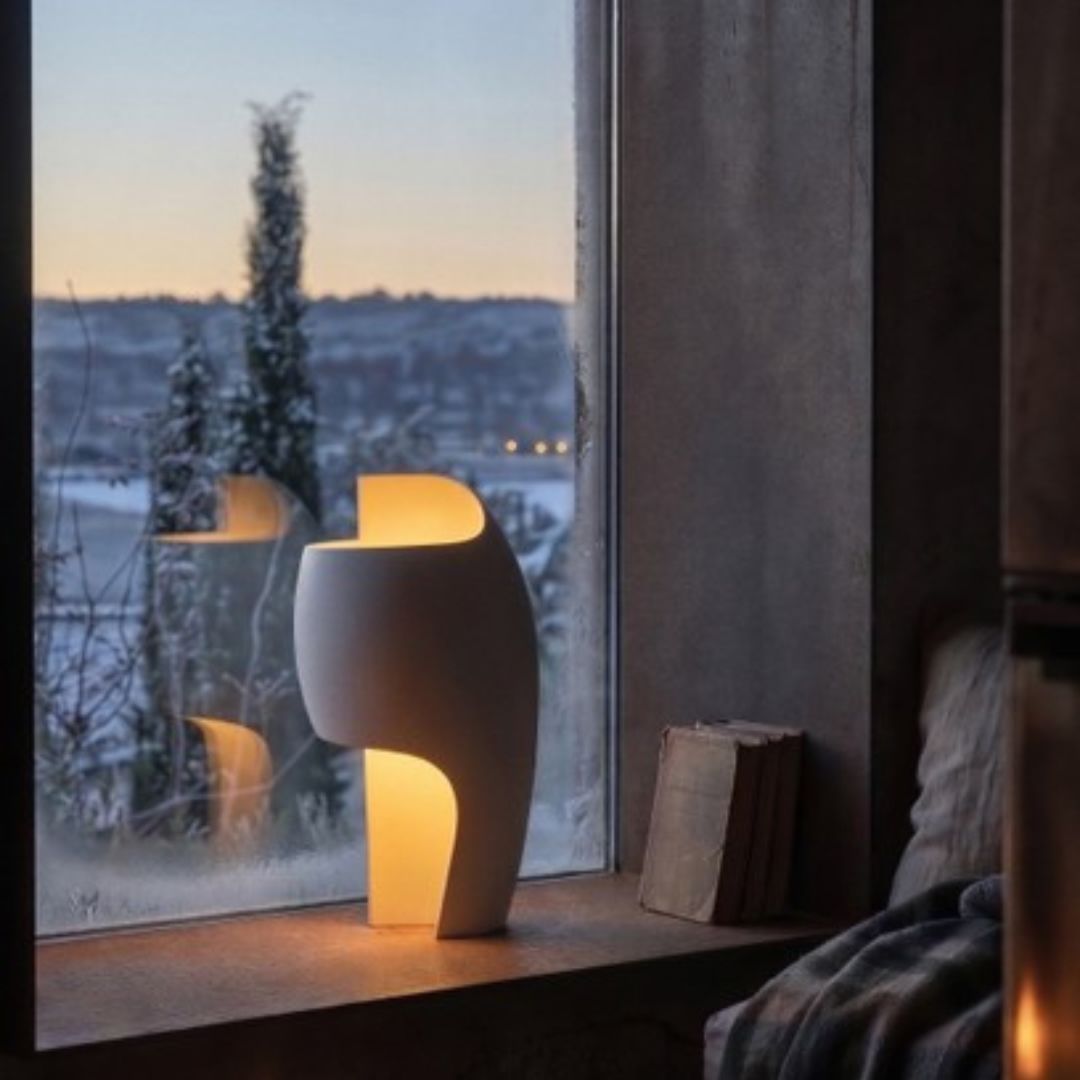
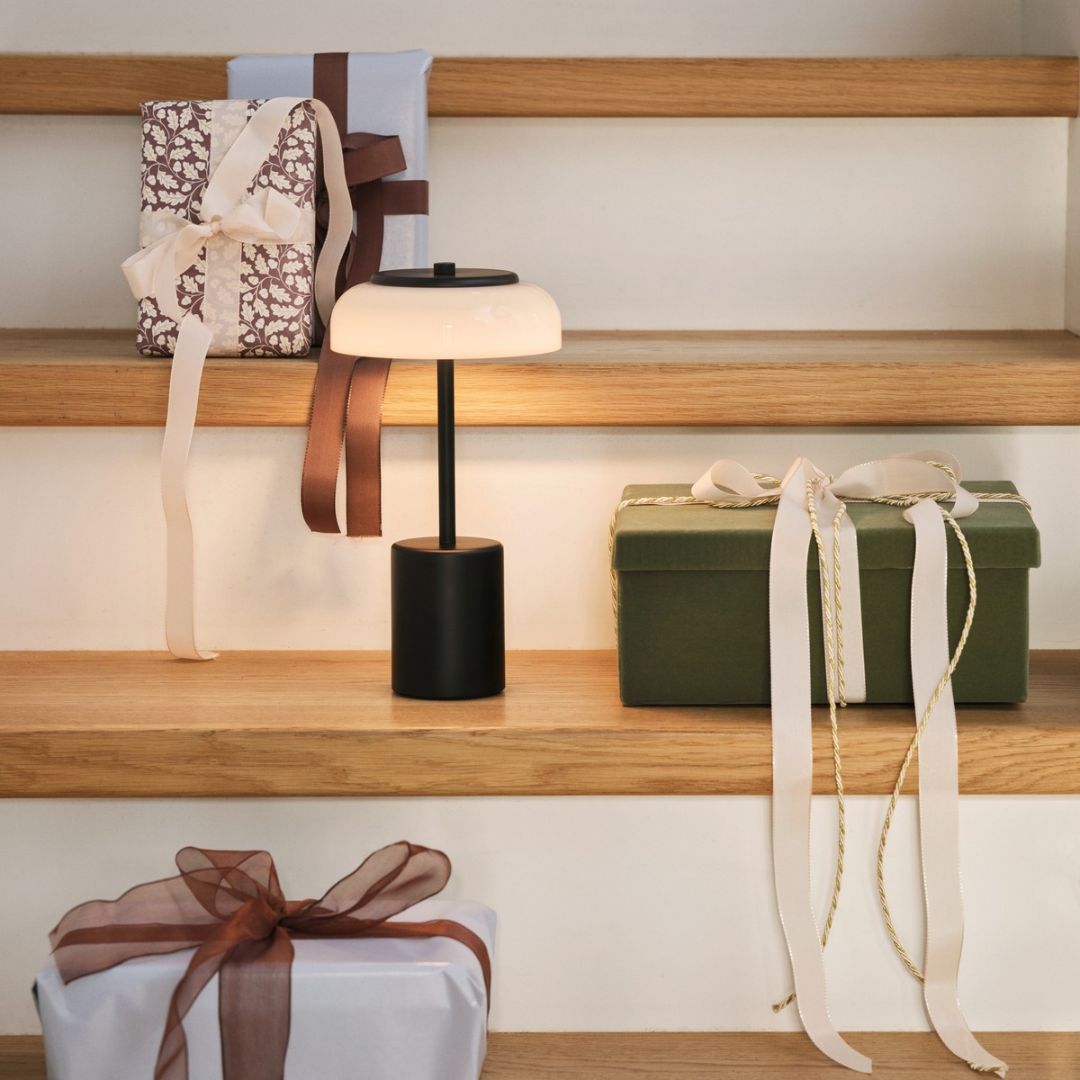
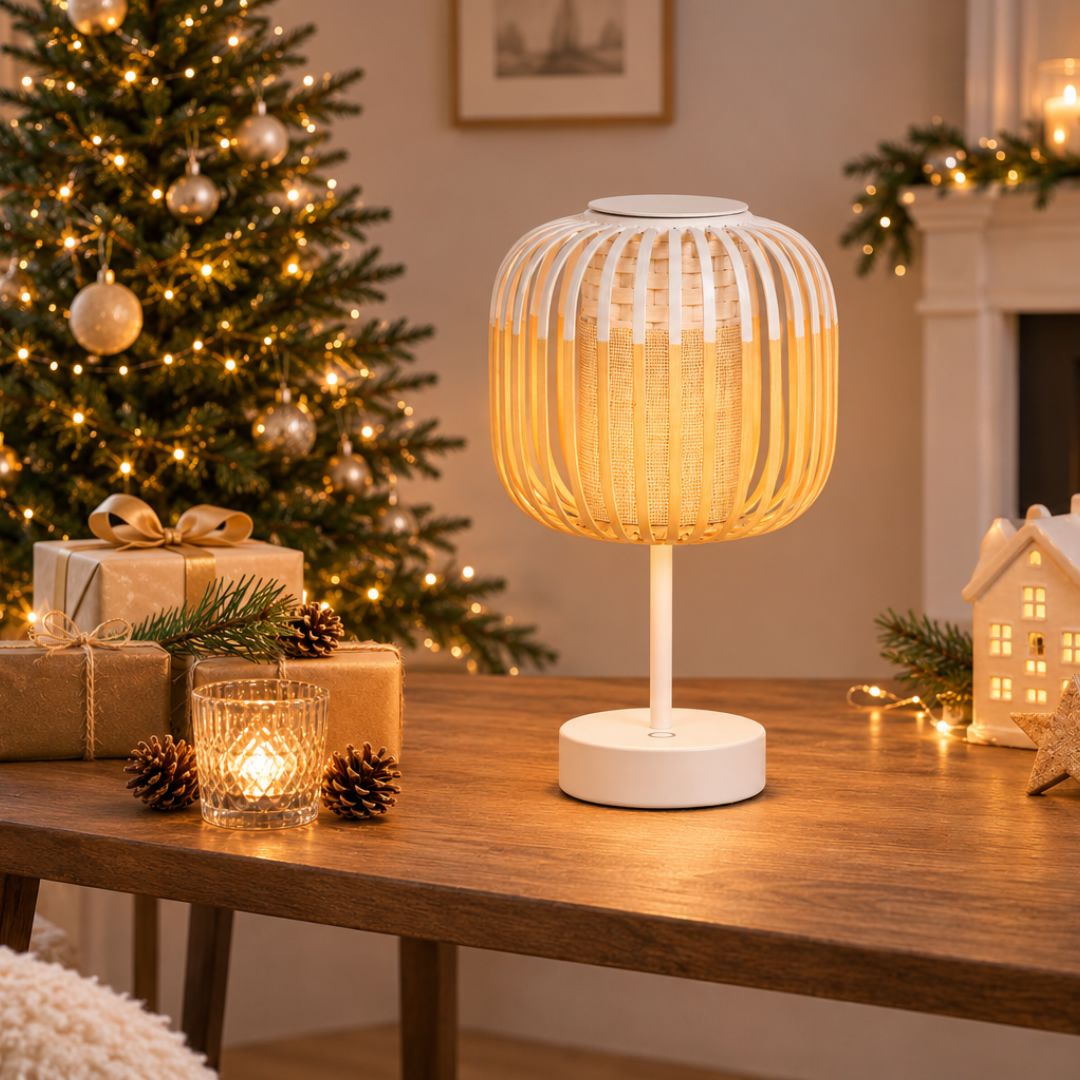
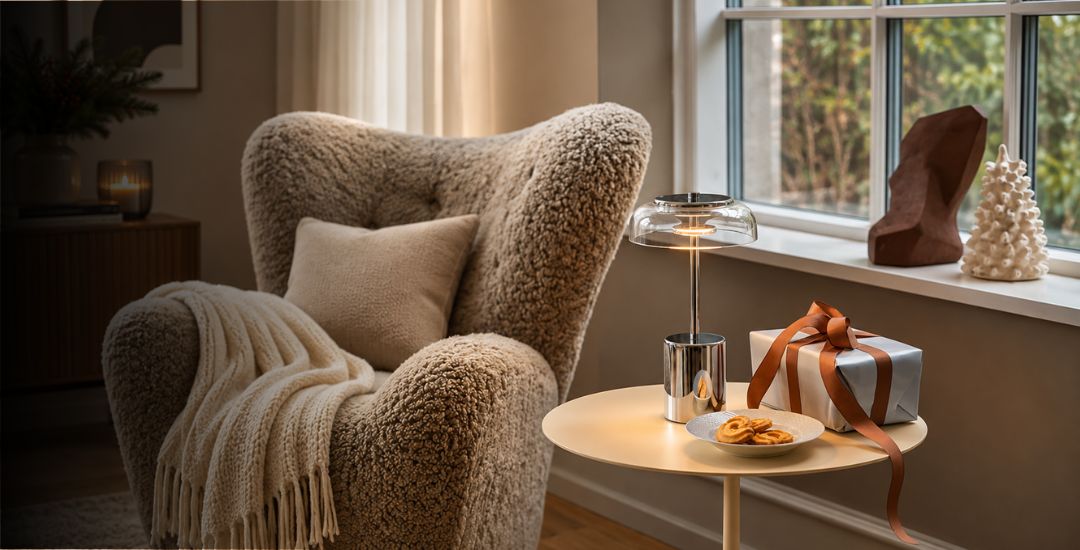
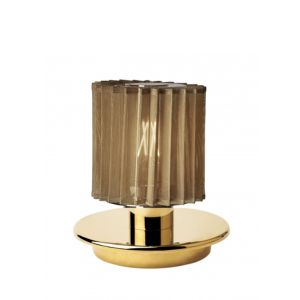
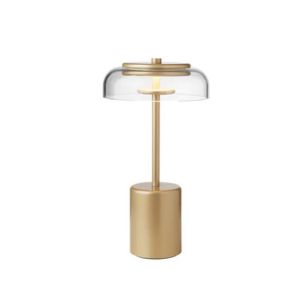
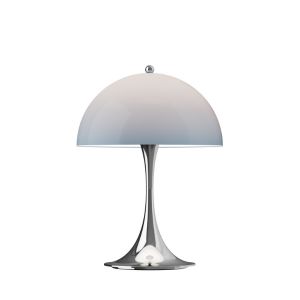
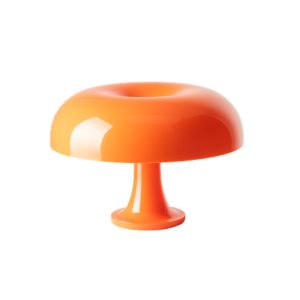
Portable lamps complement this installation with flexible lighting points and require no electrical alterations. After Christmas, they can be moved to the living room, bedroom or sideboard.
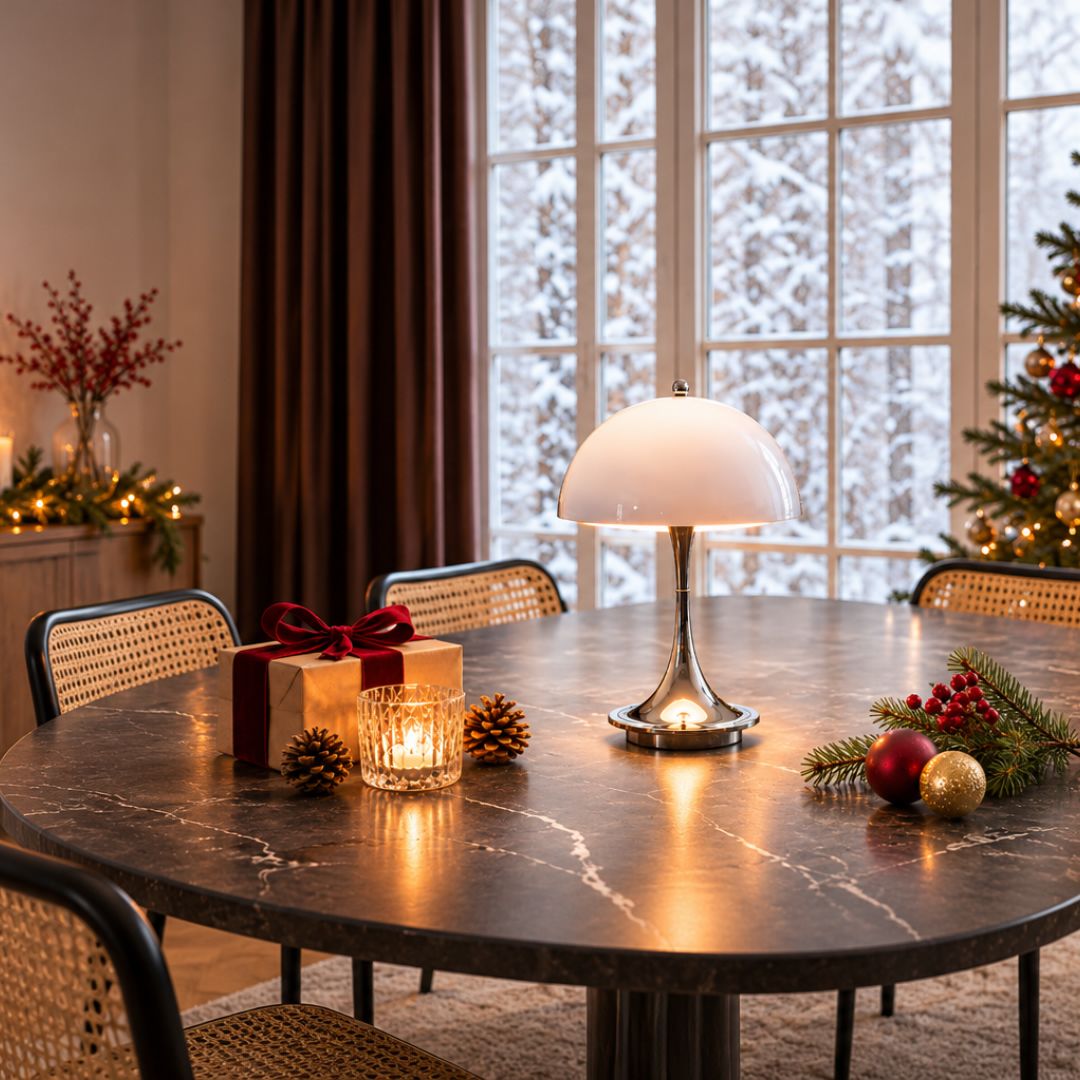
Lumitop’s selection brings together designer lighting that can enhance the festive table and remain relevant throughout the year. The aim is not to select a purely decorative Christmas light, but a lasting design suited to everyday use and capable of evolving with the interior.
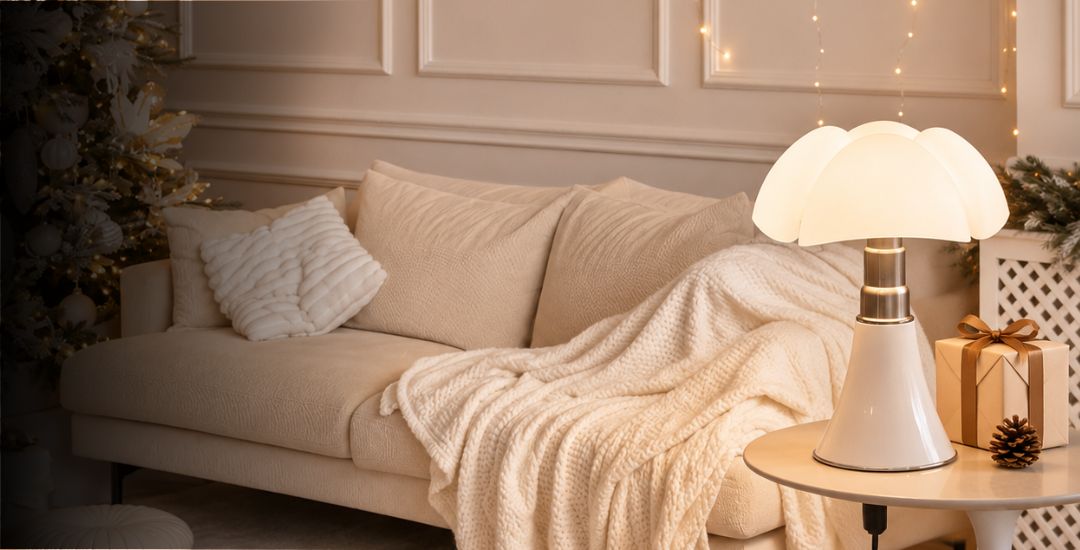

Prepare the lighting before Christmas dinner
A few days before Christmas, create a simplified version of the table setting and switch on all the planned light sources. Examine the result from every seat.
Check that:
faces are comfortably illuminated;
no fitting interrupts sightlines;
the ends of the table are not too dark;
bulbs and dimmers work together correctly;
fairy lights and portable lamps are charged;
wires and battery compartments remain discreet;
candles are away from flammable materials;
dishes can be served without difficulty.
This test often reveals details that are impossible to see when the table is empty. A pendant that is slightly too bright, a flame too close to foliage or a poorly concealed wire can then be corrected without haste.
Conclusion
Successfully lighting a Christmas table does not mean multiplying the number of sources. It means making them work together.
The pendant defines the dining area. Additional lamps extend the atmosphere into the room. Candles, fairy lights and portable lamps introduce reflections, movement and a sense of wonder.
A warm colour temperature, adjustable intensity and accurate colour rendering preserve both conviviality and visual comfort. The decorations may be natural, traditional, contemporary or luxurious: light will give them depth.
Above all, the lighting should make guests feel at ease. The most beautiful Christmas illumination is the one that accompanies conversation, reveals smiles and makes everyone forget the time around the table.
Discover Lumitop’s selection of pendant lights, wall lights and portable lamps to create elegant festive lighting that can be enjoyed throughout the year.


FAQ: how should you light a Christmas table?
What type of light is best for a Christmas table?
Warm light at approximately 2,200 to 2,700 K generally creates an inviting atmosphere. A source with a high colour rendering index will also reveal food and decorations more accurately.
How high should a pendant hang above the table?
A distance of approximately 60 to 80 centimetres between the tabletop and the bottom of the fitting is a useful guideline. Adjust it according to the pendant’s dimensions, the ceiling height and the guests’ visual comfort.
How many pendants should be installed above a table?
One pendant may be sufficient for a round or square table. A rectangular table can accommodate two or three fittings, one linear pendant or a modular composition.
Can candles be the only light source?
Candles create a beautiful atmosphere, but they rarely provide enough illumination for an entire meal. Combine them with a pendant or additional lamps.
How can a table be illuminated without a ceiling outlet?
Portable lamps, a carefully positioned floor lamp or a repositionable pendant can compensate for the absence of an electrical outlet directly above the table.
What bulb power should be selected?
The appropriate power depends on the fitting, the table’s dimensions and the other light sources in the room. Always respect the manufacturer’s maximum permitted power and consider a dimmable bulb when the installation allows it.
How can glare be prevented?
Choose a fitting with controlled light distribution, avoid directly visible bulbs and verify the height of the pendant from a seated position.
How should fairy lights be incorporated into the table?
Use a fine, warm-white fairy light woven into foliage or arranged along the centre of the table. Keep the wire and battery compartment discreet and away from serving areas.
Are portable lamps suitable for a festive table?
Yes. They create soft illumination without requiring electrical installation. Select stable, compact models with sufficient battery life for the entire meal.
When should the Christmas lighting be prepared?
Test the complete arrangement several days before Christmas, with the table in its final configuration. This provides time to identify dark areas, uncomfortable reflections and compatibility problems.
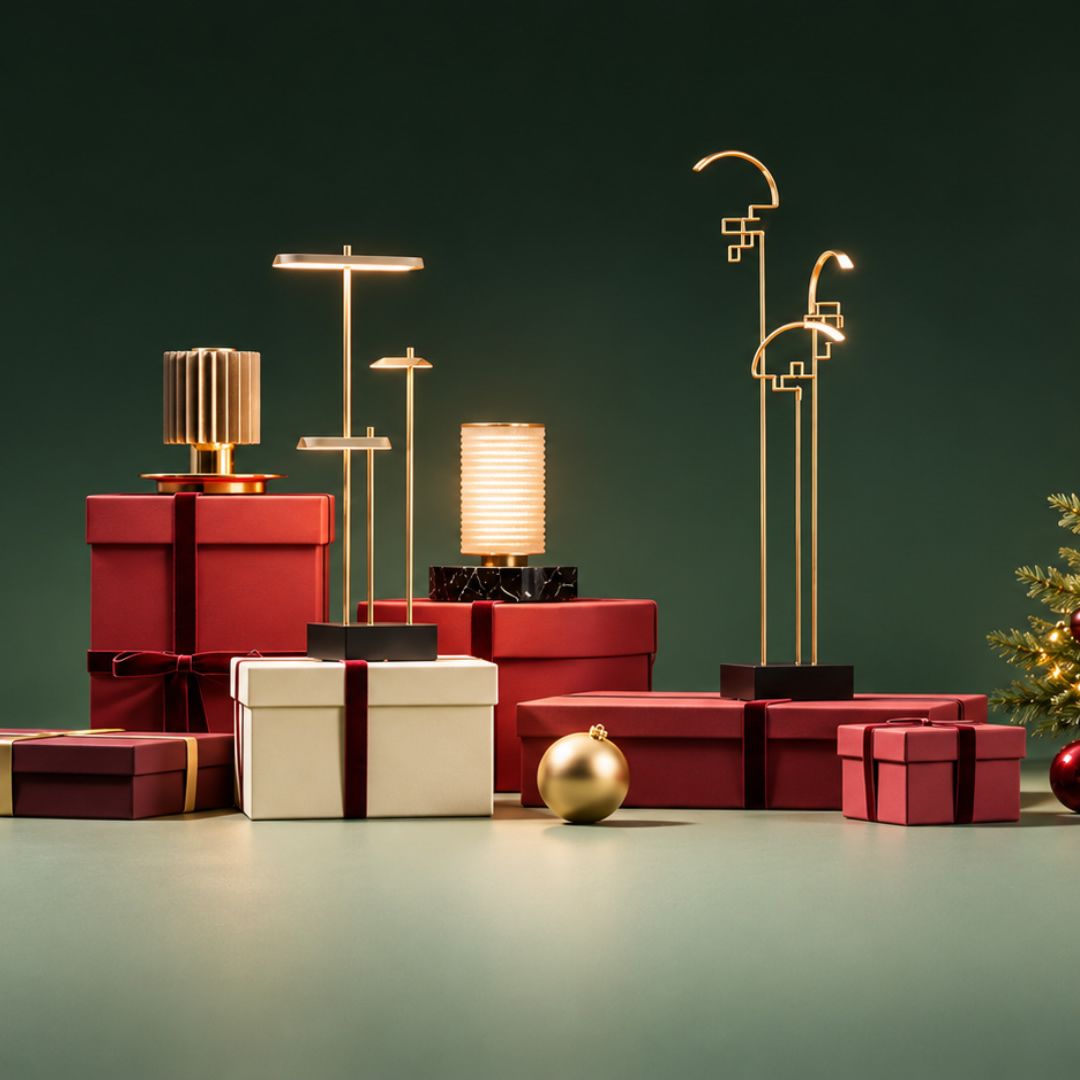
⎯⎯ Our Favourite Christmas Gifts ⎯⎯
A selection of designer lighting for every style.

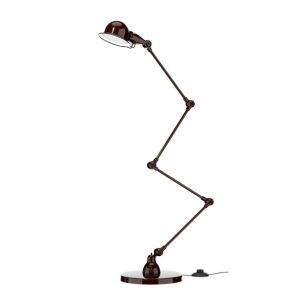
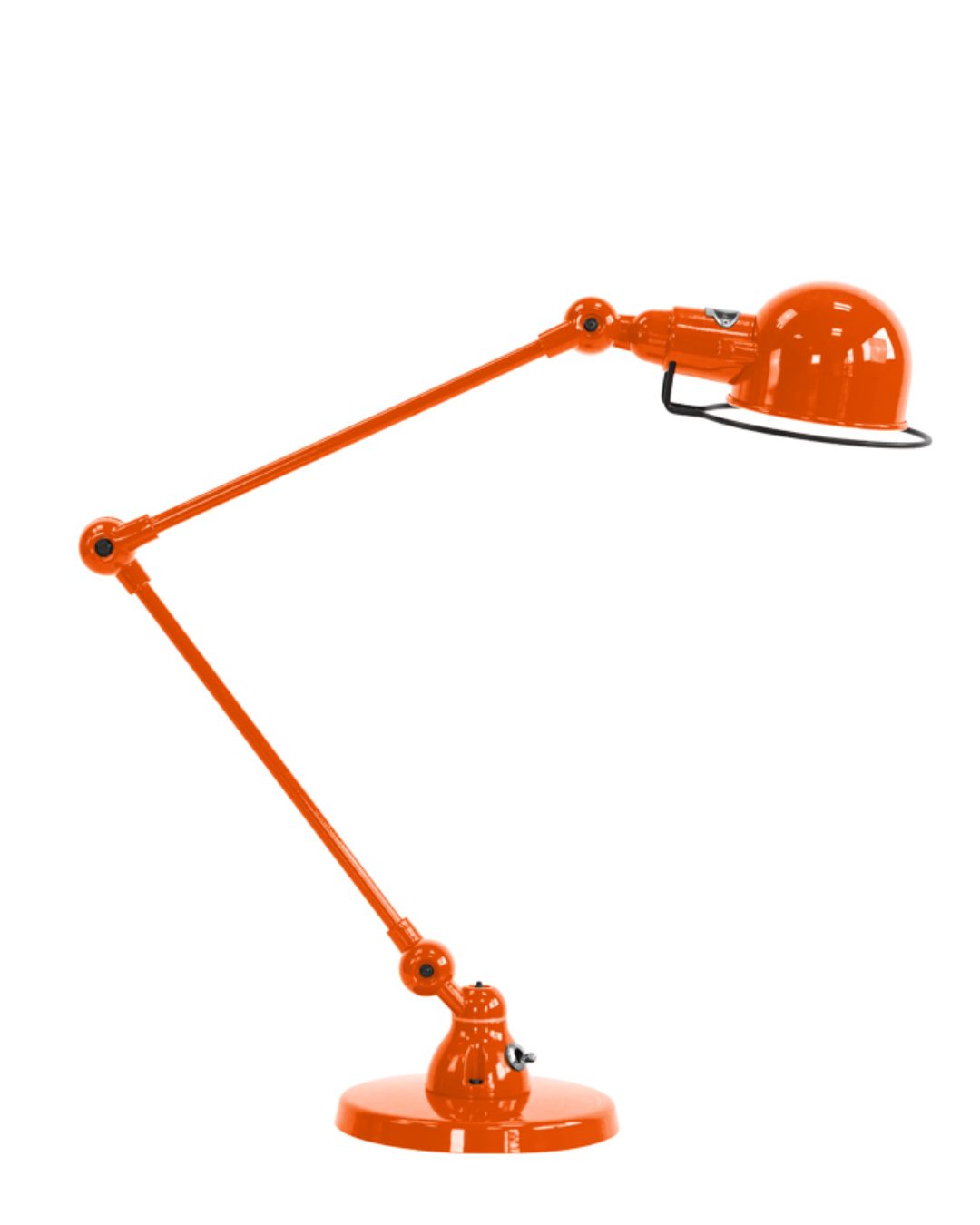
SI333 →
JIELDÉ

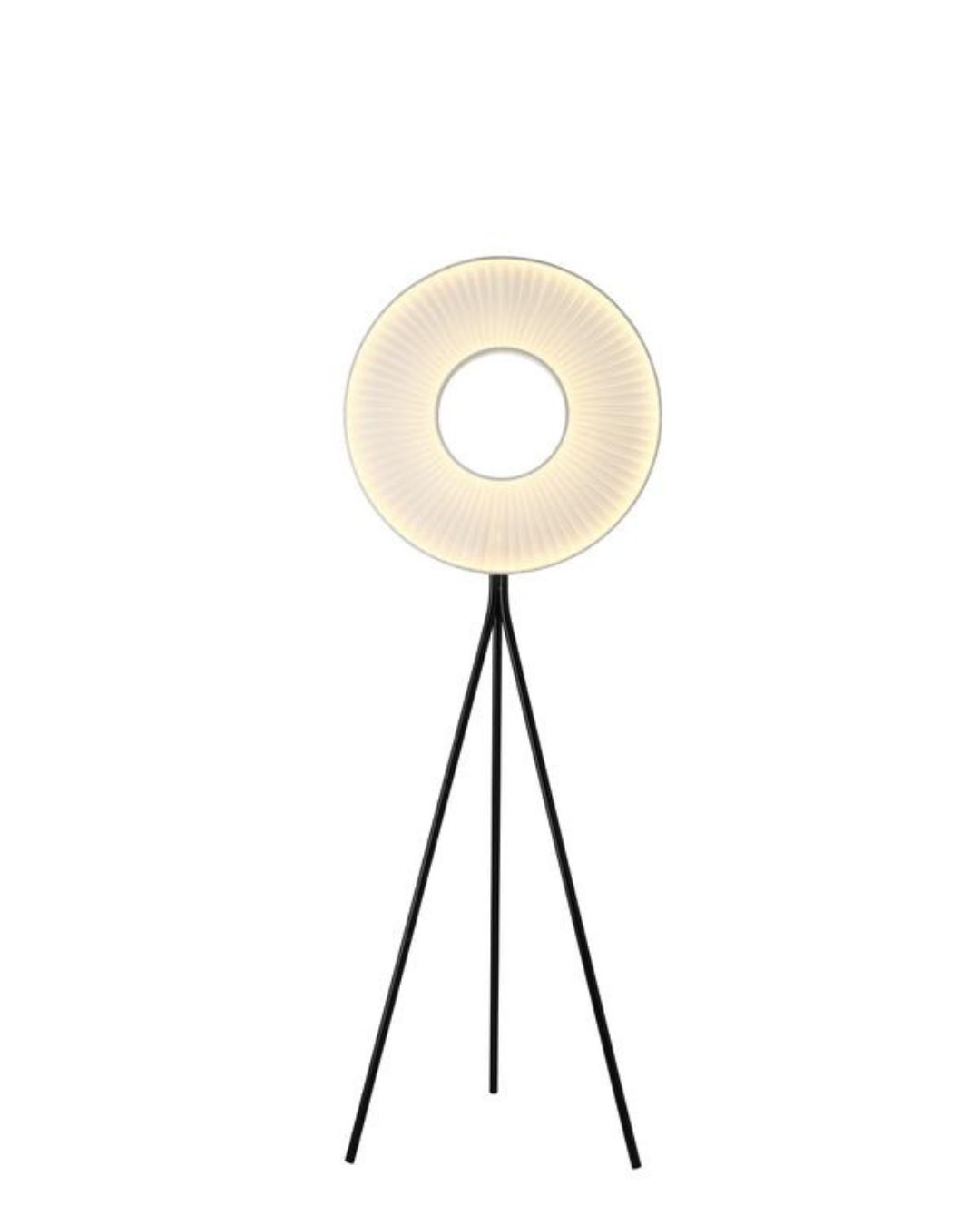
IRIS FLOOR TRIPOD 60 →
10 HEURES 10

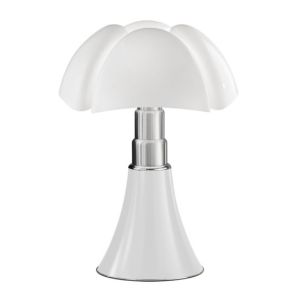
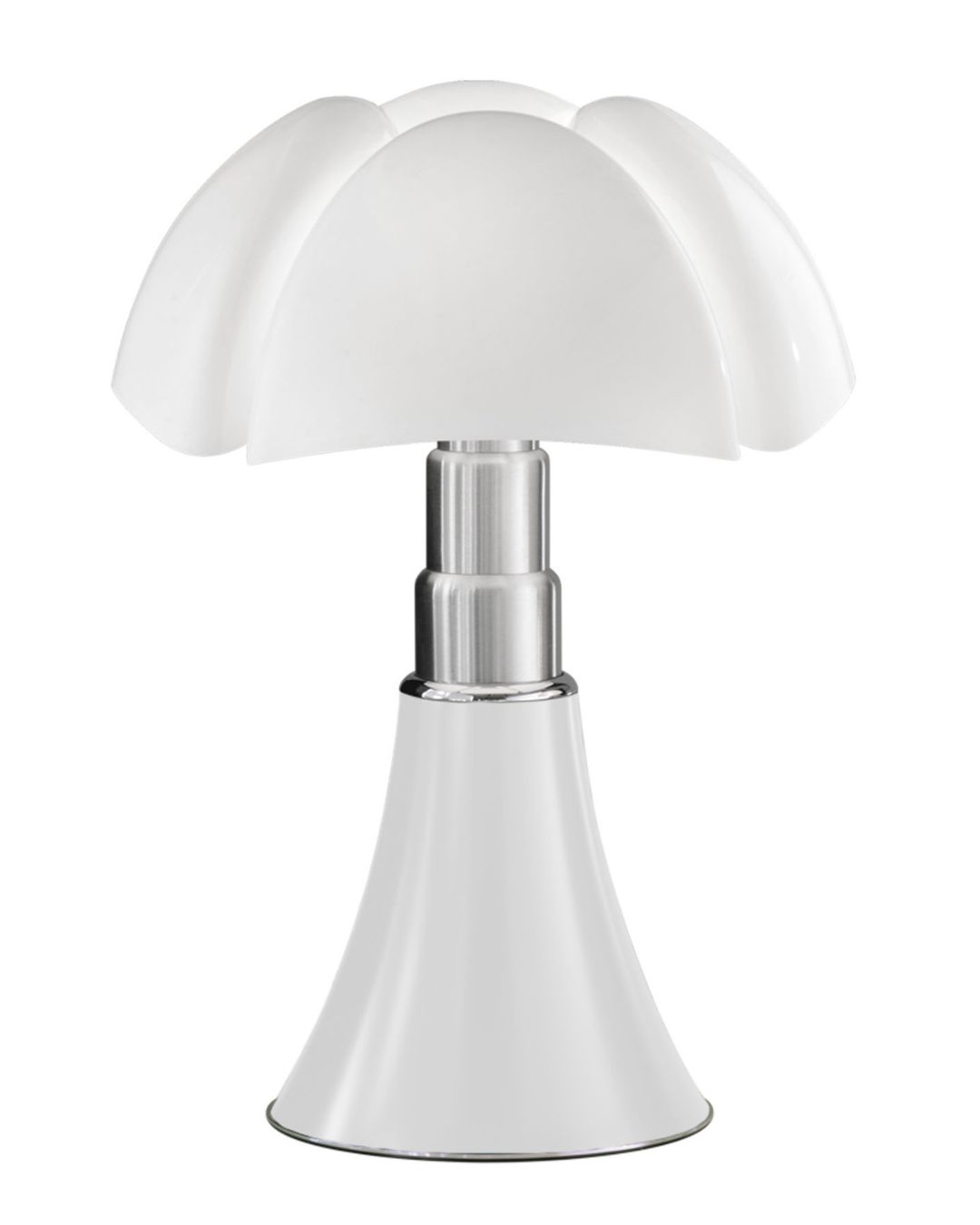
PIPISTRELLO →
MARTINELLI LUCE

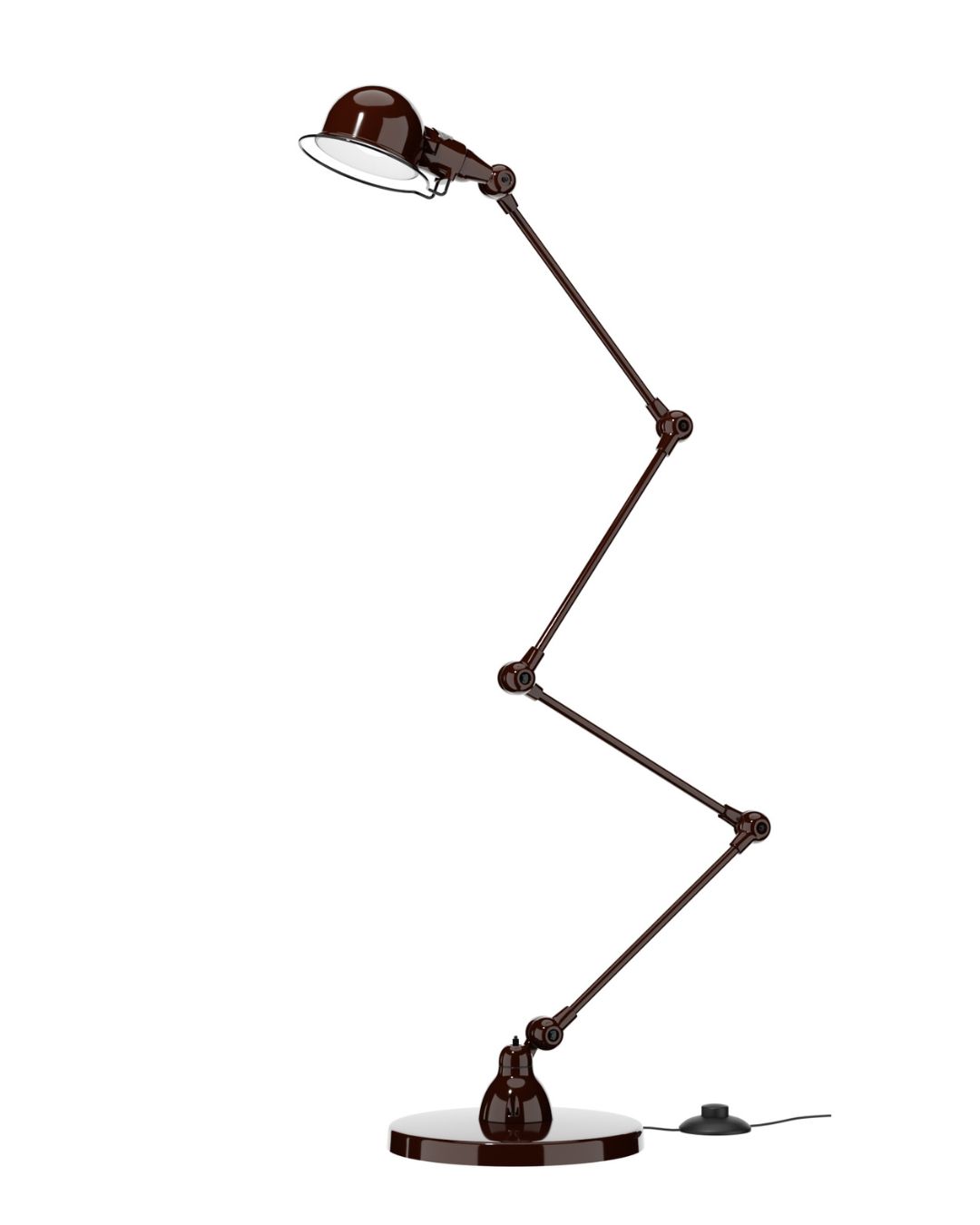
SI433 →
JIELDÉ

FRECHIN À TABLE →
DCW ÉDITIONS

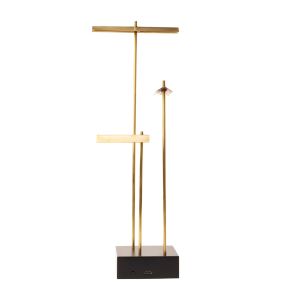
KNOKKE →
DCW ÉDITIONS

IN THE SUN →
DCW ÉDITIONS

BLOSSI →
NUURA

PANTHELLA 160 →
LOUIS POULSEN

NESSINO →
ARTEMIDE